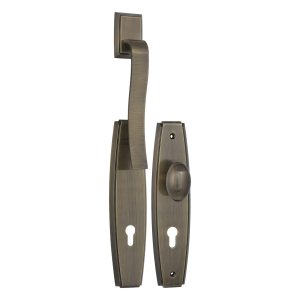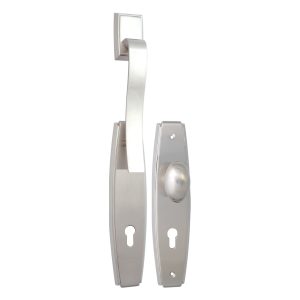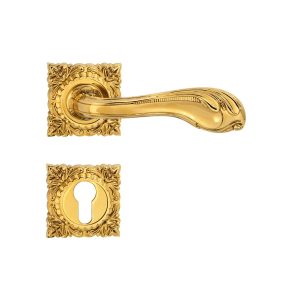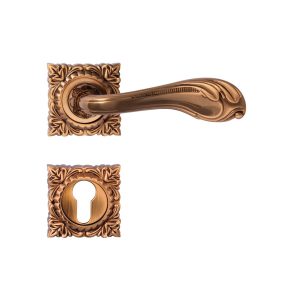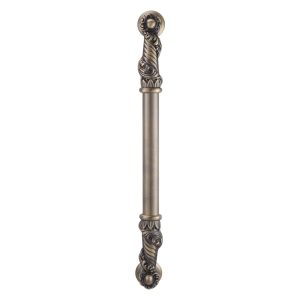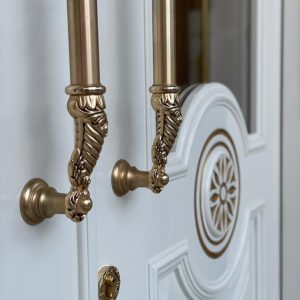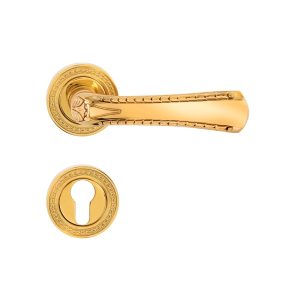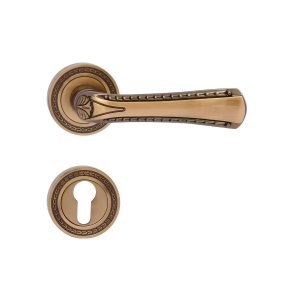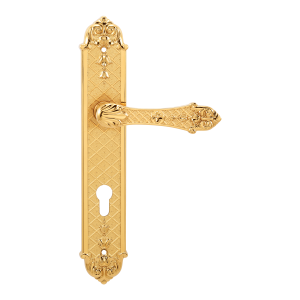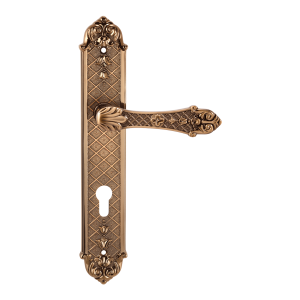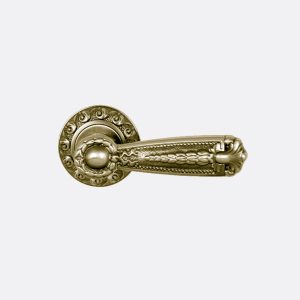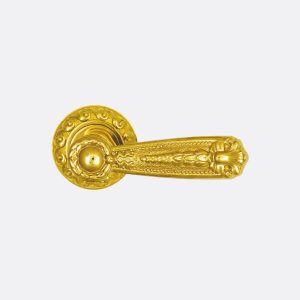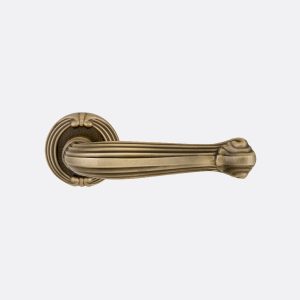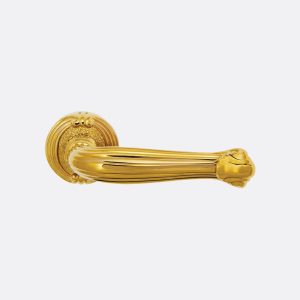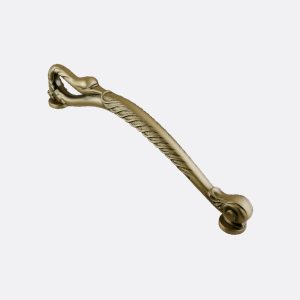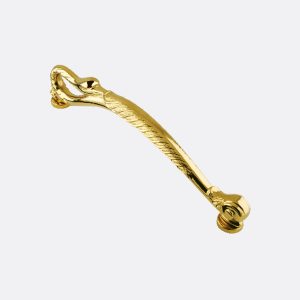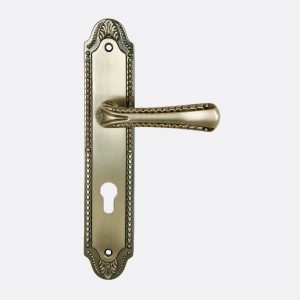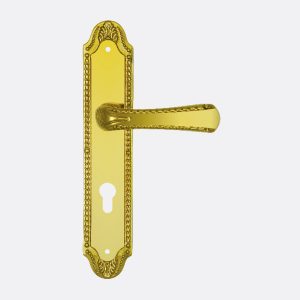

6254 Entrance handle
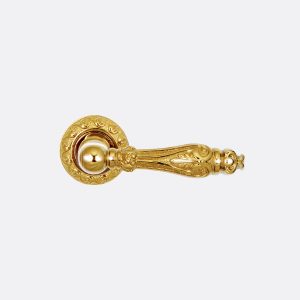
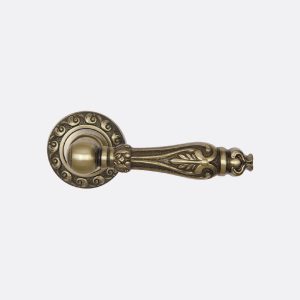
Belda Rosette handle
Bonita plate handle
Classic Daniel Plate Handle
Classic Daniel Rosette Handle
Classic Dante Rosette Handle
Classic Danube Entrance Handle
Classic Delia Plate Handle
Classic Delia Rosette Handle
Classic Delyan Plate Handle
A door handle is more than a simple piece of hardware used to open and close a door. The right handle contributes to the appearance of a room, improves everyday usability, supports privacy and security, and helps create a consistent design throughout a home, office, hotel, or commercial property. From minimalist lever handles for contemporary interiors to decorative handles for traditional doors, choosing the right door hardware can make a noticeable difference in both function and style.
At Shamsib, our door handle collection is designed to help you find suitable solutions for different doors, spaces, and architectural styles. Whether you are selecting handles for an interior renovation, replacing existing hardware, furnishing a new property, or specifying products for a larger construction project, understanding the differences between door handle types, materials, finishes, functions, and sizes can help you make a better choice.
Explore door handles for bedrooms, bathrooms, living spaces, offices, entrance doors, and other applications, with options suited to modern, classic, industrial, and minimalist environments.

door handle
Find the Right Door Handle for Every Space
Door handles are among the most frequently touched elements in any building. They may appear relatively small compared with doors, flooring, lighting, or furniture, but they have a significant influence on how a space feels and functions.
A well-selected door handle should be comfortable to operate, appropriately sized for the door, compatible with the required lock or latch, and visually coordinated with the surrounding interior. It should also be durable enough to withstand the expected level of use.
The ideal choice for a quiet residential bedroom may not be suitable for a busy office, hotel corridor, retail environment, or main entrance. This is why it is important to consider both aesthetics and practical requirements before selecting door hardware.
When comparing door handles, consider:
- Door type and thickness
- Interior or exterior installation
- Required locking function
- Frequency of use
- Handle material
- Finish and color
- Design style
- Backplate or rose configuration
- Existing lock and latch compatibility
- Maintenance requirements
- Overall architectural style
Taking these factors into account helps ensure that your new handles complement the door while providing reliable everyday operation.
Types of Door Handles
There is no single door handle design suitable for every application. Different mechanisms and configurations have been developed for specific door types, functional requirements, and design preferences.
Understanding the main types of handles is one of the easiest ways to narrow down your options.
Lever Door Handles
A lever door handle is one of the most popular choices for residential and commercial interiors. Instead of gripping and rotating a round knob, the user pushes the lever downward to operate the latch.
Lever handles are popular because they are straightforward and comfortable to use. They are available in a broad range of designs, from simple straight levers to curved, sculpted, or highly decorative styles.
They can be used for:
- Bedroom doors
- Living room doors
- Office doors
- Hallway doors
- Bathroom doors
- Kitchen doors
- Commercial interiors
Lever handles are also available with different locking arrangements, allowing the same general style to be used throughout a property while adapting the function to each room.
Door Handles on Rose
A door handle on rose features a lever attached to a relatively small round or square mounting plate. The mounting section is referred to as the rose.
This configuration is particularly popular in modern and minimalist interiors because the hardware occupies less visual space on the door.
Round roses can create a softer appearance, while square roses often complement geometric interiors and contemporary architectural details.
Depending on the application, a separate escutcheon or keyhole cover can be installed below the handle when a lock is required.
Handles on rose are commonly selected for:
- Modern apartments
- Contemporary houses
- Offices
- Minimalist interiors
- Hotels
- Renovation projects
Their clean proportions allow the door itself to remain an important part of the design.
Door Handles on Backplate
A door handle on backplate combines the lever with a longer mounting plate. The backplate may be plain or incorporate a keyhole, lock function, or bathroom turn mechanism.
Backplate handles are available in both traditional and contemporary designs.
One practical advantage of a longer backplate is that it creates a strong visual presence and can sometimes help cover marks or fixing points left by previous hardware when replacing older handles. Compatibility should still be checked carefully before installation.
Decorative backplates are particularly effective in classic interiors, while slim rectangular plates can work well with modern doors.
Door Knobs
Although lever handles are widely used, door knobs remain an important alternative.
A door knob generally requires the user to grip and rotate the knob to retract the latch. Designs range from simple contemporary knobs to detailed traditional models.
Door knobs may be appropriate for:
- Traditional interiors
- Period-style properties
- Bedrooms
- Closets
- Decorative interior doors
The choice between a door knob and lever handle is often influenced by usability, architectural style, and personal preference.
Pull Handles
A pull handle operates differently from a conventional lever handle. Instead of activating a latch through a lever mechanism, it provides a fixed gripping point that allows the user to pull or push the door.
Pull handles are frequently used on:
- Entrance doors
- Glass doors
- Commercial doors
- Office entrances
- Shops
- Hotels
- Large architectural doors
They are available in many lengths and profiles, including straight bar handles and more decorative designs.
For larger doors, a longer pull handle can create both a practical grip and a strong architectural feature.
Flush Door Handles
Flush handles are designed to sit within or close to the surface of the door.
They are especially useful where projecting hardware would be inconvenient, such as on sliding or pocket doors.
Common applications include:
- Sliding doors
- Pocket doors
- Wardrobes
- Contemporary interiors
- Space-saving door systems
Their discreet appearance makes them particularly suitable for minimalist architecture.
Interior Door Handles
An interior door handle should combine comfortable operation with a design that complements the room.
Interior handles are generally used on doors separating bedrooms, living areas, kitchens, bathrooms, offices, hallways, and other internal spaces.
Because interior doors are often positioned close to one another, consistency can be important. Using the same handle collection throughout a property can create visual continuity, while selecting different functions allows each room to retain the level of privacy it requires.
For example, passage handles can be installed on general living areas while privacy versions of a similar design are used on bathrooms and bedrooms.
Bedroom Door Handles
Bedroom doors typically require a balance of style, quiet operation, comfort, and, in some cases, privacy.
Depending on the desired configuration, you may choose a standard latch-operated handle or a handle designed to work with a privacy or locking mechanism.
The finish can also be coordinated with bedroom furniture, lighting, wardrobes, switches, and other hardware.
Popular aesthetic directions include:
- Minimalist black handles
- Satin metallic finishes
- Warm metallic tones
- Traditional polished finishes
- Contemporary square designs
- Soft rounded lever designs
Bathroom Door Handles
A bathroom door handle often needs a privacy function in addition to normal latch operation.
Bathroom hardware may incorporate or work alongside a thumbturn mechanism that allows the door to be locked from the inside. Depending on the system, an emergency release may also be provided on the exterior side.
When choosing bathroom handles, consider both functionality and the environment. Hardware should be selected with appropriate materials and finishes for the intended conditions and maintained according to the manufacturer's recommendations.
Living Room Door Handles
Living room and general passage doors usually do not require a privacy lock.
This provides greater flexibility in handle design. The hardware can therefore be selected primarily according to appearance, comfort, door style, and coordination with surrounding finishes.
For glazed living room doors or highly decorative doors, relatively simple hardware can allow the door design to remain the focal point.
Exterior Door Handles
Exterior doors may have different requirements from internal doors.
An exterior door handle can be exposed to changes in temperature, humidity, rain, sunlight, and other environmental conditions depending on its location and level of protection.
Material and finish selection therefore become particularly important.
Exterior door hardware may also form part of a more comprehensive entrance system that includes:
- Locks
- Cylinders
- Escutcheons
- Pull handles
- Hinges
- Door closers
- Security hardware
When purchasing hardware for an external application, confirm that the specific product and finish are recommended for exterior use.
Modern Door Handles
A modern door handle typically features clean lines, controlled proportions, and limited decorative detailing.
Modern handles work particularly well with contemporary architecture, flush doors, neutral interiors, and minimalist furniture.
Popular modern designs include:
- Straight lever handles
- Slim rectangular handles
- Square roses
- Round minimalist roses
- Black door handles
- Brushed metallic handles
- Long entrance pull handles
Modern does not necessarily mean visually dramatic. In many interiors, the most successful contemporary hardware is deliberately understated.
Minimalist Door Handles
Minimalist handles reduce unnecessary ornamentation and emphasize form, proportion, and material.
A simple lever on a compact rose can complement a modern door without distracting from surrounding architectural features.
Minimalist handles are especially suitable for:
- Contemporary apartments
- Luxury modern homes
- Offices
- Hotels
- Modern villas
- Architectural renovations
Selecting a consistent finish for handles, hinges, locks, and related hardware can strengthen the minimalist effect.
Classic and Traditional Door Handles
Contemporary hardware is not appropriate for every property.
A classic door handle can provide decorative character through curved profiles, detailed backplates, traditional proportions, or polished finishes.
Traditional handles are often chosen for:
- Classic interiors
- Period-inspired homes
- Renovated older properties
- Decorative timber doors
- Formal living spaces
The best traditional hardware should complement the door rather than compete with it. Consider the door panels, mouldings, furniture, lighting, and other metal finishes when choosing a design.
Door Handle Materials
Material affects appearance, weight, durability, maintenance, and the overall feel of a handle.
Different products may also combine several materials or use specific coatings to achieve their final surface appearance.
Stainless Steel Door Handles
A stainless steel door handle is a popular option for modern residential and commercial environments.
Stainless steel is associated with a clean architectural appearance and can be suitable for high-use applications when the particular grade and product specification are appropriate.
It is frequently found in:
- Modern homes
- Offices
- Commercial buildings
- Hotels
- Public interiors
Stainless steel handles are available in different surface treatments, including brushed and polished appearances.
Brass Door Handles
Brass door handles can work in both contemporary and traditional environments.
Depending on the finish, brass hardware can appear polished and formal, warm and luxurious, aged and traditional, or modern and understated.
Brass tones are often coordinated with:
- Lighting fixtures
- Cabinet handles
- Bathroom fittings
- Furniture details
- Decorative accessories
Because the term "brass finish" does not necessarily indicate that every component is manufactured from solid brass, review individual product specifications when material composition is important.
Aluminum Door Handles
Aluminum is another material used for certain types of architectural hardware.
Its relatively low weight and versatility make it suitable for various door systems. Surface treatments can also provide a range of appearances.
As with any material, suitability depends on the individual product, application, environment, and expected level of use.
Zinc Alloy Door Handles
Zinc alloys are commonly used in decorative hardware because they can be formed into a wide variety of shapes and designs.
They can also receive numerous surface finishes, allowing manufacturers to create handles suitable for different interior styles.
Product quality can vary considerably, so material should not be evaluated in isolation. Construction, mechanism quality, coating, installation, and manufacturer specifications should also be considered.
Popular Door Handle Finishes
Finish is one of the most visible characteristics of a door handle.
The same basic handle design can look completely different depending on its surface treatment.
Black Door Handles
Black door handles have become a prominent choice in contemporary interiors.
They create a defined contrast against white, beige, grey, and natural timber doors and can be coordinated with black lighting, window frames, taps, furniture details, and other architectural elements.
Black handles work particularly well with:
- Minimalist interiors
- Industrial spaces
- Modern homes
- Contemporary offices
- Monochrome design schemes
Before selecting a black finish, consider how frequently the hardware will be handled and follow the recommended cleaning instructions to preserve its appearance.
Satin Door Handles
Satin finishes have a softer, less reflective appearance than highly polished surfaces.
They are popular because they can blend easily into a wide range of contemporary interiors without becoming visually dominant.
Satin metallic handles often complement modern appliances, lighting, switches, and other architectural hardware.
Polished Door Handles
Polished finishes create a brighter and more reflective appearance.
They can work particularly well in formal or traditional environments, although streamlined polished handles can also suit contemporary spaces.
Because reflective surfaces may show fingerprints and marks more readily, regular cleaning may be required depending on use.
Chrome Door Handles
Chrome door handles have long been used in both residential and commercial interiors.
Chrome finishes can range from highly reflective polished surfaces to softer satin-like appearances, depending on the product.
They pair easily with many neutral interior schemes and are commonly used alongside other chrome fixtures.
Gold and Brass-Tone Door Handles
Warm metallic hardware can introduce a more decorative or luxurious character.
Gold and brass-tone handles work especially well with:
- Dark doors
- White interiors
- Natural timber
- Marble-inspired surfaces
- Warm neutral color palettes
For a coordinated appearance, avoid mixing too many unrelated metallic finishes within the same visual area unless the design intentionally uses mixed metals.
How to Choose the Right Door Handle
Selecting a handle should involve more than simply choosing the design you like most.
A beautiful handle that does not fit the door or required lock system will not provide a satisfactory result.
1. Identify the Door Type
Begin by identifying where the handle will be installed.
Is it for:
- An interior passage door?
- A bedroom?
- A bathroom?
- An office?
- A main entrance?
- A sliding door?
- A commercial door?
The application immediately narrows the range of suitable hardware.
2. Determine Whether You Need a Lock
Not every door needs to lock.
Living rooms, kitchens, and general passage doors may only require a latch. Bedrooms and bathrooms may require privacy, while entrance or office doors can require a different locking arrangement.
Determine the required function before purchasing the handle and associated components.
3. Check the Door Thickness
Door thickness can affect hardware compatibility.
Check the specifications of the handle, spindle, fixings, lock, and any other related components to ensure they are suitable for the door.
Never assume that every handle will fit every door.
4. Check Existing Hardware
If you are replacing an existing door handle, inspect the current hardware carefully.
Important measurements and details may include:
- Existing fixing positions
- Backplate dimensions
- Rose dimensions
- Spindle size
- Lock configuration
- Keyhole position
- Door thickness
Selecting compatible hardware can reduce the amount of modification required during installation.
5. Choose the Appropriate Style
Once functional requirements have been established, consider design.
A modern flush door might suit a slim lever on rose, while a detailed timber panel door may work better with a traditional handle on backplate.
Consider the architecture of the entire room rather than viewing the handle separately.
6. Select a Suitable Finish
Look at existing metallic elements within the space.
These might include:
- Cabinet hardware
- Light fittings
- Window handles
- Hinges
- Electrical accessories
- Taps and bathroom fittings
The finishes do not always need to match perfectly, but they should feel intentional together.
7. Consider Everyday Comfort
A handle is a functional object that may be operated many times every day.
Shape, size, projection, grip, and lever movement all contribute to usability.
A visually impressive design should still feel comfortable and practical for the intended users and environment.
Door Handle Size and Measurements
Correct measurement is essential when replacing existing hardware or matching a handle with a specific lock system.
The exact measurements required depend on the handle configuration.
Backplate Dimensions
For handles on backplate, check the total height and width of the plate.
This is particularly important when replacing existing hardware because the new plate may need to cover previous fixing marks.
Rose Diameter or Width
For handles on rose, check the diameter of a round rose or the width and height of a square rose.
A smaller rose generally creates a more minimal appearance.
Handle Projection
Projection describes approximately how far the handle extends from the face of the door.
This can be important where doors are close to walls, cabinets, or other architectural elements.
Lever Length
Lever length influences both appearance and ergonomics.
Longer levers can create a strong contemporary profile, while shorter or more curved designs may suit other door styles.
Spindle and Lock Compatibility
Many lever handles operate through a spindle connecting the handles on either side of the door.
The spindle, latch, lock case, and handle mechanism must work together correctly.
Always check the specifications of individual components rather than assuming compatibility.
Door Handles for Different Interior Styles
Hardware should support the wider design language of a room.
Contemporary Interiors
For contemporary spaces, consider simple geometric handles with minimal detailing.
Popular choices include black, satin metallic, and other understated finishes.
Industrial Interiors
Industrial design often combines darker metal finishes with timber, concrete, brick, and exposed architectural details.
Black or darker metallic door hardware can complement this aesthetic.
Luxury Interiors
Luxury does not necessarily require highly decorative hardware.
A precisely proportioned handle with a refined finish can provide a sophisticated result.
Warm metallic finishes, polished surfaces, and distinctive architectural shapes can all work depending on the wider design scheme.
Traditional Interiors
Classic interiors may benefit from curved levers, decorative backplates, knobs, and warmer or polished finishes.
Proportion is particularly important when pairing hardware with detailed panel doors.
Minimalist Interiors
Minimalist spaces generally benefit from visually simple hardware.
Compact roses, straight levers, concealed or reduced fixing details, and consistent finishes can help maintain a clean appearance.

buy door handle
Door Handles for Commercial Spaces
Commercial hardware often needs to satisfy more demanding functional requirements than standard residential products.
Doors in offices, hotels, shops, restaurants, and other commercial environments may experience significantly higher traffic.
When choosing commercial door handles, consider:
- Frequency of use
- Required durability
- Door construction
- Lock compatibility
- Accessibility requirements applicable to the project
- Fire and life-safety requirements where relevant
- Maintenance
- Building regulations and project specifications
Where a door forms part of a fire-rated, emergency, security, or regulated system, all relevant hardware should be selected and installed according to the applicable requirements and professional specifications.
Door Handles for Offices
Office door handles should provide a professional appearance while supporting the required access and privacy functions.
Different areas may require different hardware.
For example:
- Meeting rooms may use passage or privacy hardware.
- Private offices may require locking handles.
- Shared spaces may use non-locking handles.
- Main office entrances may require access-control-compatible hardware.
Using coordinated handle designs across these different functions can help maintain a consistent interior.
Matching Door Handles with Locks and Latches
The handle is only one part of a complete door hardware system.
Depending on the door, additional components may include:
- Tubular latches
- Mortice locks
- Cylinders
- Bathroom locks
- Thumbturns
- Escutcheons
- Strike plates
Before purchasing, determine which components are included with the handle and which need to be ordered separately.
Passage Function
A passage handle operates the latch but does not normally provide a locking function.
It is commonly used for hallways, living rooms, kitchens, and other spaces where privacy is not required.
Privacy Function
Privacy hardware is commonly used for bathrooms and bedrooms.
The exact mechanism varies between systems, so verify how the lock is operated and released before selecting components.
Key Locking Function
Doors requiring controlled access may use a handle with a compatible mortice lock, cylinder, or another locking arrangement.
The correct solution depends on the door and security requirements.
For entrance and higher-security applications, seek appropriate professional guidance when necessary.
Replacing an Existing Door Handle
Replacing door handles can refresh the appearance of a room without replacing the doors themselves.
However, successful replacement requires careful preparation.
Before ordering a new handle:
- Identify the existing handle type.
- Measure the door thickness.
- Inspect the latch or lock.
- Measure the existing backplate or rose.
- Check the spindle and fixing arrangement.
- Determine whether old holes or marks need to be covered.
- Confirm the new handle's compatibility.
If the new hardware differs substantially from the old configuration, additional drilling or door preparation may be necessary.
Installing Door Handles
Installation methods vary according to handle design, door construction, and lock or latch configuration.
A typical lever handle installation may involve fitting the latch, positioning the spindle, aligning both handles, marking fixing points, securing the hardware, and testing the mechanism.
Accurate alignment is important. Incorrect installation can cause the handle to feel stiff, prevent the latch from retracting correctly, or lead to premature wear.
Follow the manufacturer's installation instructions for the specific product.
For complex locks, entrance systems, commercial doors, fire-rated doors, or situations where accurate preparation is critical, professional installation may be preferable.
How to Maintain Door Handles
Regular care can help preserve both the operation and appearance of door hardware.
Maintenance requirements depend on the material and finish, but several general principles are useful.
Regular Cleaning
Remove fingerprints, dust, and surface marks regularly using cleaning methods suitable for the specific finish.
Avoid assuming that strong household cleaners are safe for decorative hardware.
Avoid Abrasive Products
Abrasive pads and aggressive cleaning chemicals can damage some surface coatings and polished finishes.
Follow product-specific care instructions.
Check Loose Fixings
Frequent use can occasionally cause fixings to loosen.
If a handle begins to move excessively, inspect it rather than continuing to use it in that condition.
Inspect the Latch
If the handle becomes difficult to operate, the problem may not be the lever itself.
Door alignment, latch condition, lock mechanism, or installation can all affect operation.
Identify the source of the problem before replacing components unnecessarily.
When Should You Replace Door Handles?
Door handles do not necessarily need to be replaced simply because they are old.
However, replacement may be appropriate when:
- The mechanism no longer operates correctly.
- The lever remains loose after proper adjustment.
- The finish is significantly damaged.
- Hardware no longer suits a renovated interior.
- The locking requirements have changed.
- Existing handles are uncomfortable to operate.
- You want consistent hardware throughout the property.
Changing handles can also be an effective finishing detail during a broader renovation.
Buying Door Handles for a Complete Property
If you are purchasing handles for several rooms or an entire property, planning the hardware schedule in advance can prevent inconsistencies.
Begin by counting every door and identifying its function.
For each door, record whether it requires:
- Passage operation
- Privacy locking
- Key locking
- Pull hardware
- Sliding door hardware
- Special-purpose hardware
You can then select a consistent design family and adapt the hardware configuration to each door.
This approach is particularly useful for:
- New houses
- Apartment developments
- Office fit-outs
- Hotels
- Villas
- Renovation projects
- Commercial properties
It can also help avoid situations where a preferred design or finish is selected before discovering that it is not available in the required configurations.
Matching Door Handles Throughout the Home
There is no strict rule requiring every handle in a property to be identical.
However, some degree of consistency generally produces a more deliberate interior.
One approach is to use the same lever design throughout the property while changing the lock function according to the room.
Another is to maintain the same finish but use different handle designs for different zones.
For example, a homeowner might use minimalist lever handles for interior rooms and a larger architectural pull handle at the main entrance while maintaining a consistent finish.
The objective is visual coordination rather than rigid uniformity.
Quality Matters When Choosing Door Hardware
Door handles are used repeatedly, making construction quality important.
When comparing products, do not evaluate them solely according to photographs or finish.
Consider:
- Material specification
- Mechanism construction
- Spring operation where applicable
- Quality of fixings
- Surface finish
- Compatibility
- Intended application
- Manufacturer guidance
A well-made handle that is correctly installed should provide smooth, predictable operation.
Door Handle Design Trends
Interior hardware trends change over time, but certain design directions have become increasingly prominent.
Clean Architectural Lines
Simple forms continue to work well in contemporary interiors because they integrate easily with different door and furniture styles.
Dark Finishes
Black and darker hardware can create strong contrast and provide visual definition, particularly against light-colored doors.
Warm Metallic Finishes
Brass and gold-inspired tones can add warmth to neutral interiors and pair effectively with timber and natural materials.
Coordinated Hardware
Designers increasingly treat door hardware as part of a wider interior system, coordinating it with cabinet handles, lighting, bathroom fixtures, and architectural details.
Reduced Visual Clutter
Handles on compact roses and other visually restrained configurations support the preference for cleaner, less cluttered interiors.
Trends can provide inspiration, but hardware should ultimately be selected according to the building, door, function, and long-term design goals.
Door Handle Buying Guide
Before purchasing a new door handle, use this simple process to reduce the risk of choosing incompatible hardware.
Step 1: Decide Where It Will Be Used
Interior, exterior, residential, and commercial doors can have different requirements.
Step 2: Choose the Function
Determine whether the door requires passage, privacy, key locking, pull operation, or another function.
Step 3: Select the Handle Configuration
Choose between options such as:
- Lever on rose
- Lever on backplate
- Door knob
- Pull handle
- Flush handle
Step 4: Measure the Door
Check the dimensions required by the specific hardware.
Step 5: Confirm Lock and Latch Compatibility
Make sure the handle is compatible with the intended lock, latch, spindle, and other components.
Step 6: Select Material and Finish
Choose an option appropriate for the environment and desired interior style.
Step 7: Review Installation Requirements
Determine whether the hardware can be installed using the existing door preparation or whether modifications will be necessary.
Step 8: Confirm All Required Components
Check whether the package contains the necessary fixings and components or whether locks, latches, cylinders, escutcheons, or other accessories must be purchased separately.
Why the Right Door Handle Makes a Difference
It is easy to focus on large interior elements and treat hardware as a final detail.
In practice, door handles are among the elements people physically interact with most often.
A carefully selected handle can:
- Improve everyday operation
- Complement the door design
- Reinforce the interior style
- Provide the required privacy
- Coordinate different rooms
- Enhance the overall impression of quality
For this reason, handles should ideally be considered during the broader design process rather than selected as an afterthought.
Shop Door Handles for Your Project
Whether you are updating a single room or selecting hardware for an entire property, choosing the right door handles begins with understanding your doors and how they are used.
Explore different handle styles, finishes, materials, and functions to find hardware suited to your interior and practical requirements. From contemporary lever handles and minimalist designs to classic door hardware, pull handles, and privacy solutions, the right choice can provide the finishing detail that connects functionality with architectural design.
When comparing products, review individual specifications carefully, including dimensions, material, finish, installation requirements, and compatibility with locks or latches. This is especially important when replacing existing hardware or purchasing handles for a larger project.
Frequently Asked Questions About Door Handles
What is the best type of door handle?
There is no single best door handle for every application. The right choice depends on the type of door, required locking function, expected frequency of use, design style, installation environment, and compatibility with the latch or lock.
Lever handles are a versatile option for many interior doors, while pull handles are frequently used for entrance, glass, and commercial doors. Sliding doors may require flush or recessed handles.
What is the difference between a door handle on rose and on backplate?
A handle on rose uses a compact round or square mounting plate around the lever. A handle on backplate uses a longer plate that may also incorporate a keyhole or privacy function.
Handles on rose often provide a more minimalist appearance, while backplates can suit both traditional and contemporary designs.
Are lever handles better than door knobs?
Neither is universally better.
Lever handles are generally straightforward to operate because the lever can be pushed downward, while knobs require a gripping and turning motion. Door knobs can, however, provide a distinctive appearance that works particularly well in traditional interiors.
Choose according to usability requirements and design preferences.
How do I know what size door handle I need?
Check the dimensions of the handle as well as your door and existing hardware.
Relevant measurements may include door thickness, rose or backplate dimensions, lever length, projection, spindle dimensions, and lock or latch configuration.
For replacement hardware, measure the existing installation before ordering.
Can I replace a door handle without replacing the lock?
Sometimes.
If the existing lock or latch is in good condition and compatible with the new handle, it may be possible to retain it. Compatibility depends on the specific hardware configuration, so measurements and specifications should be checked first.
Can I put any handle on any door?
No.
Door handles vary in dimensions, fixing systems, spindle requirements, lock compatibility, and intended application. Exterior and specialist doors can also have additional requirements.
Always check product specifications before installation.

price door handle
Which door handles are suitable for bathrooms?
Bathroom doors commonly use handles paired with a privacy locking mechanism such as a bathroom lock and thumbturn.
The appropriate configuration depends on the specific door and hardware system. Check whether all required components are included or need to be purchased separately.
What door handle finish is best for a modern interior?
Black, satin metallic, brushed, chrome, and other restrained finishes are commonly used in modern interiors.
The best finish depends on the surrounding materials and fixtures. Coordinating handles with lighting, cabinet hardware, window hardware, and other metal details can create a more cohesive appearance.
Are black door handles a good choice?
Black handles can be an excellent choice for contemporary, minimalist, and industrial interiors. They create particularly strong contrast on light-colored doors and can coordinate well with black window frames, lighting, and furniture details.
Check the care instructions for the specific finish to keep the surface in good condition.
Are stainless steel door handles suitable for commercial use?
Certain stainless steel handles are designed for commercial applications, but suitability should be confirmed from the individual product specification.
Commercial doors may have specific durability, accessibility, fire-safety, security, or regulatory requirements that must also be considered.
How often should door handles be replaced?
There is no fixed replacement interval.
A properly installed handle can remain functional for a long time. Replacement may become necessary because of mechanical wear, damage, changing security requirements, significant finish deterioration, or an interior renovation.
Why is my door handle loose?
A loose handle can result from loose fixings, wear, incorrect installation, or problems with internal components.
Inspect the mounting hardware and mechanism carefully. If tightening appropriate fixings does not solve the problem, further inspection or replacement may be required.
Why does my door handle not return to its original position?
Possible causes include problems with the handle mechanism, spring system, latch, lock, alignment, or installation.
The exact cause should be identified before replacing the handle because the problem may originate elsewhere in the door hardware.
How do I clean door handles?
Cleaning depends on the material and finish.
In general, use a soft cloth and cleaning method recommended for the specific surface. Avoid abrasive pads or aggressive chemicals unless the manufacturer specifically confirms that they are safe for the finish.
Should all door handles in a house match?
They do not have to be identical, but coordinated hardware usually creates a more consistent interior.
You can use the same handle design throughout the house, maintain the same finish while varying designs, or distinguish entrance hardware from interior handles while keeping a common visual theme.
What hardware do I need with a door handle?
Depending on the application, you may require a latch, mortice lock, cylinder, spindle, bathroom thumbturn, escutcheon, strike plate, or other hardware.
Some handle sets include certain components while others are supplied separately. Always review the product specification before ordering.
Can I install a door handle myself?
Many standard interior handles can be installed by someone with appropriate tools and DIY experience, provided the manufacturer's instructions are followed carefully.
More complex locks, entrance systems, commercial doors, and regulated door assemblies may require professional installation.
What should I check before buying replacement door handles?
Measure your existing hardware and check the door thickness, fixing positions, backplate or rose size, spindle arrangement, latch or lock type, and required function.
You should also consider whether the new hardware will cover marks or holes from the previous installation.
What is the difference between a passage and privacy door handle?
A passage handle normally operates a latch without locking the door. It is suitable for rooms where privacy is not required.
Privacy hardware provides a method of locking the door from inside and is commonly used for bathrooms and bedrooms.
Which door handles are best for high-traffic areas?
High-traffic environments generally require hardware designed for frequent use.
Rather than choosing solely according to material or appearance, review the manufacturer's intended application, construction, durability information, mechanism, and relevant project requirements.
How can I choose a door handle that matches my interior?
Start with the overall architectural style and then consider the door design, furniture, lighting, cabinet hardware, window hardware, and existing metal finishes.
For minimalist interiors, simple levers and compact roses often work well. Traditional rooms may suit decorative backplates or knobs, while contemporary spaces can accommodate geometric handles and stronger contrasting finishes.
The most successful door handle is one that feels like an intentional part of the room while providing the comfort, durability, privacy, and functionality the door requires.