Showing 1–12 of 50 results

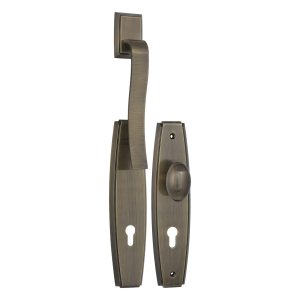
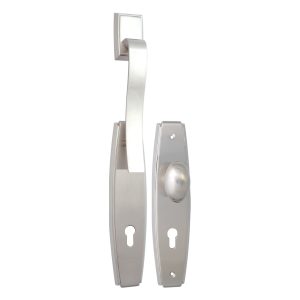
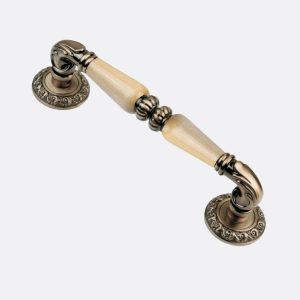
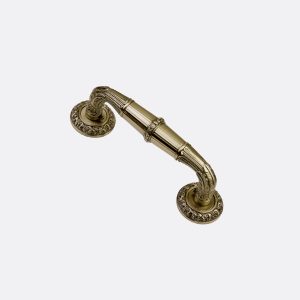
6254 Entrance handle

The first thing people see when they enter your home is the front door and its handle. Therefore the front

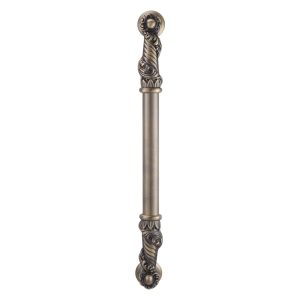
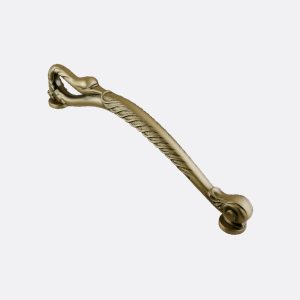
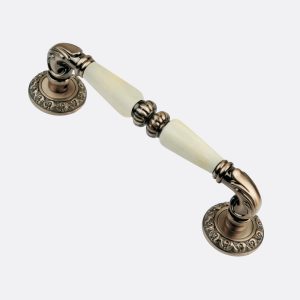
Argo Pull handle

Classic decorative design with refined ornamental details
• Solid metal construction for long-term durability
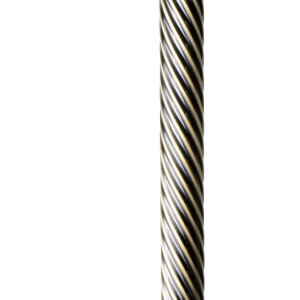
• Comfortable cylindrical grip for smooth and easy operation
• High-quality surface finish resistant to wear and fading

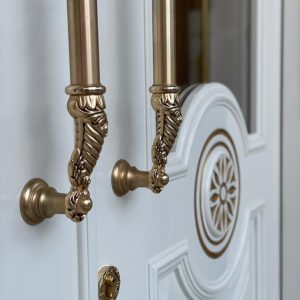
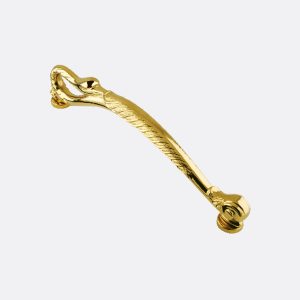
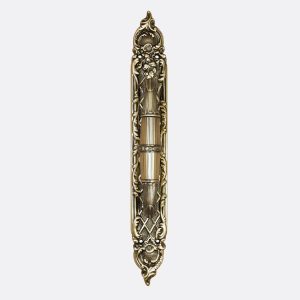
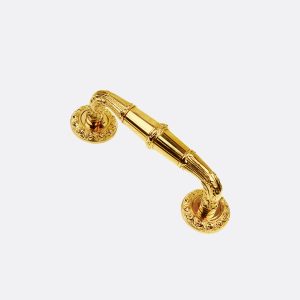
Classic Danube Entrance Handle

• Elegant classic entrance handle with curved design
• Durable metal construction for heavy-duty use
• Long ergonomic grip for comfortable operation
• Premium finishes suitable for luxury entrance doors

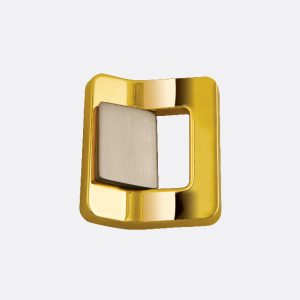
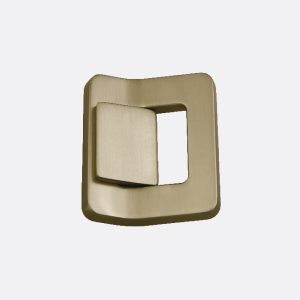
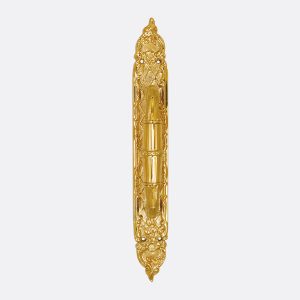
Classic Diamond Entrance Handle

• Square diamond-style design with modern classic appeal
• Durable metal construction for heavy-duty entrance use
• Solid ergonomic grip for secure handling
• Premium gold finish suitable for luxury entrance doors

A pull handle and entrance handle can define the first physical interaction a person has with a door, making this category especially important for entrance design, architectural hardware, and overall building appearance. Unlike standard lever handles that typically operate a latch, pull handles are fixed gripping elements used to push or pull a door open. They are commonly installed on main entrances, glass doors, office doors, hotel entrances, commercial doors, retail spaces, and large architectural doors where a strong, functional, and visually balanced handle is required.

Entrance handles serve both a practical and decorative role. They must feel comfortable in the hand, suit the dimensions of the door, coordinate with the locking system, and complement the wider design of the building. A slim stainless steel pull handle can create a clean modern look, while a larger black or brass-tone entrance handle can become a striking architectural feature.

At Shamsib, our pull handle and entrance handle collection is designed for a wide range of residential and commercial applications. Whether you are selecting hardware for a villa entrance, apartment building, office, shopfront, hotel, glass door, or contemporary front door, choosing the right handle requires attention to size, material, finish, fixing method, environment, and door compatibility.

This guide explains the main types of pull handles and entrance handles, their uses, materials, finishes, dimensions, installation requirements, and the most important factors to consider before buying.

Pull Handle and Entrance Handle

Pull Handle and Entrance Handle

What Is a Pull Handle?

A pull handle is a fixed handle that allows a user to open a door by pulling or pushing it.

Unlike a lever handle, it does not usually operate a latch through a spindle. Instead, it provides a secure gripping point on the surface of the door.

Pull handles can be installed:

  • Vertically
  • Horizontally
  • As a single-sided handle
  • As a back-to-back pair
  • On timber doors
  • On metal doors
  • On glass doors
  • On commercial entrance doors

They are available in many shapes and lengths, from compact handles to full-length architectural bars.

What Is an Entrance Handle?

An entrance handle is hardware designed primarily for the main entrance or access point of a building or room.

It may be a pull handle, fixed bar handle, offset handle, decorative grip, or part of a larger entrance hardware system.

Entrance handles are commonly used on:

  • Front doors
  • Villa entrances
  • Apartment entrances
  • Office buildings
  • Hotels
  • Retail stores
  • Commercial properties
  • Glass doors

Because an entrance door often forms the visual focal point of a facade or hallway, the handle can have a major effect on first impressions.

Pull Handle vs Lever Handle

Although both are used to operate doors, pull handles and lever handles function differently.

A lever handle normally rotates downward and retracts a latch.

A pull handle remains fixed and relies on a separate locking or latching system.

This makes pull handles especially suitable for:

  • Large entrance doors
  • Pivot doors
  • Glass doors
  • Doors with separate locks
  • Architectural doors

Lever handles are more commonly used on interior doors, while pull handles are frequently chosen for entrances and high-impact architectural applications.

Why Choose a Pull Handle for an Entrance Door?

A pull handle offers several practical and visual advantages.

Strong Visual Presence

A long entrance handle can become one of the most noticeable design elements on a door.

This is especially effective on:

  • Tall doors
  • Wide doors
  • Pivot doors
  • Minimalist entrances

Comfortable Grip

A properly sized pull handle can provide a generous gripping area.

This can make larger or heavier doors easier to operate.

Flexible Design

Pull handles are available in many materials, shapes, lengths, and finishes.

Compatibility with Separate Locks

Because pull handles do not usually operate the latch directly, they can be combined with:

  • Cylinders
  • Deadlocks
  • Multipoint locks
  • Electronic locks
  • Access control systems

Types of Pull Handles

Pull handles are available in several major configurations.

Straight Pull Handles

A straight pull handle is one of the most common designs.

It usually consists of a simple bar fixed to the door at two points.

Straight handles work well with:

  • Modern front doors
  • Office entrances
  • Glass doors
  • Commercial doors

They are available in different diameters, widths, and lengths.

Offset Pull Handles

An offset pull handle positions the gripping section away from the fixing points.

This can provide additional hand clearance and create a distinctive architectural appearance.

Offset handles are particularly common on:

  • Glass doors
  • Modern entrance doors
  • Commercial applications

D-Shaped Pull Handles

D-shaped handles have a curved or rectangular profile that resembles the letter D.

They offer a comfortable gripping area and are widely used on:

  • Commercial doors
  • Glass doors
  • Interior architectural doors

Ladder Pull Handles

Ladder pull handles usually feature long parallel rails connected by fixing points.

They can create a bold modern appearance and are often used on:

  • Glass entrances
  • Office buildings
  • Hotels
  • Large commercial doors

Long Pull Handles

A long pull handle can create a dramatic vertical line on a door.

Long handles are especially popular on modern front doors and pivot doors.

They may extend across a significant portion of the door height.

Why Use a Long Entrance Handle?

A long handle can:

  • Improve visual proportion on tall doors
  • Create a premium architectural look
  • Provide multiple gripping positions
  • Make the entrance more visually distinctive

Full-Length Entrance Handles

Some architectural doors use very long handles that run through much of the door height.

These handles are often used on high-end residential and commercial entrances.

They are especially effective with:

  • Oversized timber doors
  • Pivot doors
  • Minimalist facades
  • Luxury villas

Pull Handles for Front Doors

A front door pull handle should provide a balance between appearance, comfort, durability, and environmental suitability.

Front doors may be exposed to:

  • Rain
  • Sunlight
  • Humidity
  • Temperature changes
  • Pollution
  • Frequent use

For this reason, material and finish selection are particularly important.

Entrance Handles for Villas

Villa entrances often use large doors with strong architectural proportions.

A long entrance handle can complement:

  • Wood doors
  • Metal-clad doors
  • Stone facades
  • Modern concrete architecture

The handle should be proportionate to the door and coordinated with the wider exterior design.

Pull Handles for Pivot Doors

Pivot doors are frequently used in contemporary architecture.

Because pivot doors are often larger than standard hinged doors, conventional lever handles may appear visually undersized.

A long pull handle can provide a better visual balance.

When choosing a pull handle for a pivot door, consider:

  • Door width
  • Door height
  • Pivot position
  • Handle length
  • Lock position
  • Clearance

Pull Handles for Glass Doors

A glass door pull handle must be specifically designed for use with glass.

These handles often use back-to-back fixing systems.

They are common in:

  • Offices
  • Shops
  • Hotels
  • Commercial entrances
  • Glass partitions

Standard timber-door fixings should not automatically be used on glass doors.

Back-to-Back Pull Handles

A back-to-back pull handle provides a handle on both sides of the door.

The two handles are typically connected through the door using shared fixing hardware.

This configuration is particularly common on:

  • Glass doors
  • Office entrances
  • Commercial doors
  • Retail entrances

Single-Sided Pull Handles

Some doors require a handle on only one side.

Single-sided handles may be used where the opposite side uses:

  • A push plate
  • A flush pull
  • Another handle style
  • A different access system

The correct fixing method depends on the door construction.

Pull Handles for Commercial Doors

Commercial entrances often experience high traffic.

When selecting a commercial pull handle, consider:

  • Expected frequency of use
  • Door weight
  • Door material
  • Fixing strength
  • Finish durability
  • Accessibility requirements
  • Fire and life-safety requirements
  • Local building regulations

Pull Handles for Office Doors

Office pull handles work particularly well on:

  • Glass doors
  • Reception entrances
  • Meeting rooms
  • Executive offices

They can help create a professional and contemporary appearance.

Pull Handles for Hotels

Hotel entrances often require hardware that combines design with durability.

Pull handles may be used on:

  • Main entrances
  • Lobby doors
  • Restaurant doors
  • Spa entrances
  • Conference areas

The hardware should coordinate with the interior and exterior design language.

Pull Handles for Shops and Retail Spaces

Retail doors are often opened hundreds of times per day.

A suitable pull handle should therefore provide:

  • Comfortable grip
  • Durable construction
  • Reliable fixings
  • Appropriate finish

Long pull handles can also make shop entrances more visually distinctive.

Pull Handle Materials

Material selection has a major effect on durability, appearance, and suitability.

Common materials include:

  • Stainless steel
  • Steel
  • Brass
  • Aluminum
  • Other architectural metals

Stainless Steel Pull Handles

A stainless steel pull handle is one of the most popular choices for modern entrances.

It can provide:

  • Clean appearance
  • Good durability
  • Contemporary styling
  • Compatibility with glass, timber, and metal doors

Stainless steel is available in brushed, satin, and polished finishes.

Steel Pull Handles

Steel handles can provide strength and a substantial feel.

They may be coated or finished in different colors.

Steel is often used in:

  • Industrial interiors
  • Modern architecture
  • Commercial doors

Brass Pull Handles

A brass pull handle can create a warmer and more decorative appearance.

Brass tones work particularly well with:

  • Dark timber
  • Luxury interiors
  • Classic architecture
  • Boutique hotels

Aluminum Pull Handles

Aluminum can be a useful option where lightweight construction and design flexibility are important.

It is widely used in contemporary door systems.

Black Pull Handles

A black pull handle creates strong contrast and is particularly popular in minimalist and industrial design.

It works especially well with:

  • Light timber
  • White doors
  • Grey doors
  • Concrete
  • Black-framed glass

Brushed Pull Handles

Brushed finishes create a low-reflection metallic surface.

They are ideal for contemporary and professional environments.

Satin Pull Handles

Satin finishes provide a smooth, understated appearance.

They can be easier to integrate into neutral interiors.

Polished Pull Handles

Polished finishes are brighter and more reflective.

They can create a more formal or decorative look.

Gold and Brass-Tone Entrance Handles

Warm metallic finishes can add a luxurious character.

They are particularly effective on:

  • Dark front doors
  • Green doors
  • Timber doors
  • Marble-inspired interiors

Modern Entrance Handles

A modern entrance handle usually features simple geometry and clean lines.

Popular forms include:

  • Straight bars
  • Long rectangular handles
  • Slim cylindrical handles
  • Black architectural handles

Minimalist Pull Handles

Minimalist pull handles reduce decorative detailing and emphasize proportion.

They often feature:

  • Clean fixing points
  • Straight profiles
  • Neutral finishes
  • Simple geometry

Classic Entrance Handles

Classic entrance handles may feature:

  • Curved forms
  • Decorative ends
  • Warm metallic finishes
  • Traditional detailing

These are suitable for classic and transitional architecture.

Decorative Pull Handles

Some entrance handles are designed to become a focal point.

Decorative handles may use:

  • Sculpted forms
  • Textured finishes
  • Mixed materials
  • Custom proportions

Pull Handle Sizes

Size is one of the most important considerations when choosing a handle.

Important measurements include:

  • Overall length
  • Fixing centers
  • Projection
  • Grip diameter
  • Grip width
  • Mounting depth

How Long Should a Pull Handle Be?

The correct handle length depends on the door.

A standard interior door may require only a relatively compact handle.

A large entrance door may look better with a much longer handle.

The visual relationship between door height and handle length should feel balanced.

Fixing Centers

Fixing centers describe the distance between the mounting points.

This measurement is particularly important when replacing an existing handle.

If the new handle uses different fixing centers, new holes may be required.

Handle Projection

Projection refers to how far the handle extends away from the door.

Adequate projection provides space for the user's hand.

Grip Diameter

Grip diameter influences comfort.

Thicker handles may feel more substantial, while slimmer handles can appear more minimal.

Choosing a Pull Handle for a Large Door

Large doors require carefully proportioned hardware.

A handle that looks correct on a standard door may appear too small on a tall pivot door.

For large doors, consider:

  • Longer handles
  • Larger grip dimensions
  • Stronger fixings
  • Multiple mounting points

Pull Handle Installation

Installation methods vary according to:

  • Door material
  • Handle type
  • Fixing method
  • Single-sided or back-to-back configuration

Bolt-Through Fixing

Bolt-through fixing uses fasteners that pass through the door.

This can provide strong mechanical attachment.

Back-to-Back Fixing

Back-to-back handles are fixed through the door so that handles on both sides connect together.

Concealed Fixing

Some handles use concealed systems to hide screws and mounting components.

This creates a cleaner appearance.

Pull Handle Installation on Glass Doors

Glass door installation requires specific hardware and careful preparation.

Hole locations are normally determined before glass manufacture or tempering.

Do not attempt to modify tempered glass after production.

Pull Handle Installation on Timber Doors

Timber doors offer more flexibility.

However, correct positioning and fixing depth are still important.

Pull Handle Installation on Metal Doors

Metal doors may require:

  • Threaded inserts
  • Reinforcement
  • Specialized fasteners

The correct method depends on door construction.

Pull Handle and Lock Compatibility

Pull handles do not usually operate a latch directly.

This means the door normally uses a separate lock or latch system.

Possible systems include:

  • Deadlocks
  • Cylinders
  • Multipoint locks
  • Magnetic locks
  • Electronic access control

Pull Handles with Multipoint Locks

Modern entrance doors often use multipoint locking systems.

The pull handle must be positioned so that it does not interfere with the lock or cylinder.

Pull Handles with Electronic Locks

Electronic locks are increasingly used on office and entrance doors.

A pull handle can be combined with:

  • Keypad access
  • Card access
  • Fingerprint readers
  • Smart locks

Pull Handles with Push Plates

Some commercial doors use a pull handle on one side and a push plate on the other.

This can help clearly indicate door direction.

Pull Handles and Accessibility

Door hardware may need to meet accessibility requirements depending on the building and jurisdiction.

Important considerations can include:

  • Grip size
  • Reach height
  • Clearance
  • Operating force
  • Door opening requirements

Commercial projects should follow applicable regulations.

buy Pull Handle and Entrance Handle

buy Pull Handle and Entrance Handle

Entrance Handle Design for Modern Architecture

Entrance handles should be selected as part of the overall facade design.

Consider coordination with:

  • Door finish
  • Window frames
  • Lighting
  • House numbers
  • Doorbells
  • Access control systems

Matching Pull Handles with Door Color

Pull Handles on White Doors

Black or brushed metal handles create strong contrast.

Pull Handles on Black Doors

Brushed steel or brass-tone handles can stand out.

Pull Handles on Timber Doors

Black, stainless steel, and brass all work well depending on the design.

Pull Handles on Grey Doors

Black and satin metallic finishes can create a modern effect.

Pull Handles for Minimalist Front Doors

Minimalist front doors often use:

  • Long vertical handles
  • Concealed fixings
  • Simple geometry
  • Neutral finishes

The goal is clean visual integration.

Pull Handles for Luxury Entrances

Luxury entrances may use:

  • Oversized handles
  • Brass or bronze tones
  • Custom finishes
  • Sculptural designs

Pull Handles for Industrial Interiors

Industrial design often uses:

  • Black steel
  • Brushed metal
  • Exposed fixings
  • Simple bar handles

Pull Handles for Contemporary Offices

Contemporary offices often combine:

  • Glass doors
  • Stainless steel hardware
  • Black metal frames

Pull handles work naturally in these environments.

Replacing an Existing Pull Handle

Before replacing an existing handle, measure:

  • Fixing centers
  • Handle length
  • Projection
  • Door thickness
  • Existing hole positions

If the new handle uses different dimensions, the door may require modification.

Common Pull Handle Installation Mistakes

Incorrect Handle Position

Poor placement can affect comfort and appearance.

Weak Fixings

Large handles require suitable mechanical attachment.

Ignoring Door Material

Fixings must match the door construction.

Poor Alignment

Back-to-back handles should align precisely.

How to Maintain Pull Handles

Regular maintenance helps preserve appearance and performance.

Clean the Surface

Use methods suitable for the finish.

Check Fixings

Tighten loose hardware where appropriate.

Inspect for Movement

Movement may indicate worn or loose fixings.

Avoid Abrasive Cleaners

Harsh cleaning products can damage decorative surfaces.

Cleaning Stainless Steel Pull Handles

Use a soft cloth and appropriate cleaner.

Follow the manufacturer's care recommendations.

Cleaning Black Pull Handles

Matte black finishes may require gentle cleaning to avoid marks or surface damage.

Cleaning Brass Pull Handles

Brass may require finish-specific care depending on whether it is polished, lacquered, aged, or satin.

Are Pull Handles Suitable for Exterior Use?

Some are, but not all.

Exterior suitability depends on:

  • Material
  • Finish
  • Environmental conditions
  • Manufacturer specification

Pull Handles for Coastal Areas

Coastal environments can be especially demanding because of salt exposure.

Material grade and finish become particularly important.

Always check whether the product is recommended for coastal use.

Pull Handles for High-Traffic Entrances

High-traffic entrances require hardware designed for frequent use.

Consider:

  • Strong construction
  • Secure fixings
  • Durable finish
  • Comfortable grip

What Makes a High-Quality Pull Handle?

Quality can be assessed through several factors.

Material

The material should suit the application.

Construction

The handle should feel rigid and well finished.

Fixings

Fixings should be appropriate for the door.

Finish

The surface should be consistent and durable.

Design

The grip should be comfortable.

Common Mistakes When Buying Pull Handles

Choosing Based Only on Appearance

Always check dimensions and compatibility.

Buying the Wrong Size

The handle must suit the door proportions.

Ignoring Fixing Centers

This is critical for replacement installations.

Using Interior Hardware Outside

Confirm exterior suitability.

Forgetting Door Thickness

Some fixing systems depend on door thickness.

Pull Handle Buying Guide

Use this step-by-step process before ordering.

Step 1: Identify the Door Type

Is the door timber, glass, metal, or composite?

Step 2: Determine the Application

Is it for residential, commercial, hotel, office, or retail use?

Step 3: Choose the Handle Style

Select straight, offset, ladder, long, or decorative.

Step 4: Choose the Length

Match the handle to the door proportions.

Step 5: Select the Material

Choose stainless steel, steel, brass, aluminum, or another suitable material.

Step 6: Choose the Finish

Coordinate with the surrounding architecture.

Step 7: Check Fixing Method

Determine whether you need:

  • Single-sided fixing
  • Bolt-through fixing
  • Back-to-back fixing

Step 8: Check Lock Compatibility

Make sure the handle position does not interfere with the locking system.

Step 9: Confirm Environmental Suitability

Especially important for exterior doors.

Entrance Handle Buying Guide

When choosing an entrance handle, consider more than just the handle itself.

The complete entrance system may include:

  • Lock
  • Cylinder
  • Escutcheon
  • Door closer
  • Smart access system
  • Hinges

These elements should function together.

Choosing Pull Handles for a Complete Building

For larger projects, create a door hardware schedule.

Record:

  • Door location
  • Door material
  • Handle model
  • Finish
  • Fixing method
  • Lock type
  • Exterior or interior use

This improves consistency across the project.

Pull Handle Trends

Several design trends continue to influence entrance hardware.

Extra-Long Handles

Long handles remain popular on oversized entrance doors.

Matte Black Finishes

Black is widely used in modern architecture.

Warm Metallic Finishes

Brass and bronze tones are becoming more common in luxury interiors.

Minimalist Forms

Simple bars and clean geometry remain highly popular.

Why Entrance Handles Matter

The entrance handle is one of the first details a visitor touches.

A well-selected handle can:

  • Improve usability
  • Strengthen the architectural design
  • Create a premium impression
  • Coordinate with the facade
  • Provide a comfortable grip

Shop Pull Handles and Entrance Handles

Choosing the right pull handle and entrance handle requires careful attention to both design and technical requirements.

Start by identifying:

  • Door type
  • Door dimensions
  • Interior or exterior use
  • Required handle length
  • Material
  • Finish
  • Fixing method
  • Lock compatibility

Then select a design that complements the architecture.

From compact stainless steel pull handles to long black entrance handles and decorative brass hardware, the right product can transform the appearance and function of an entrance.

Frequently Asked Questions About Pull Handles and Entrance Handles

What is a pull handle?

A pull handle is a fixed handle used to open a door by pulling or pushing it.

It usually does not operate a latch.

What is an entrance handle?

An entrance handle is hardware designed for front doors, commercial entrances, and other access points.

It may be a pull handle or another fixed grip design.

Are pull handles suitable for front doors?

Yes.

They are especially popular on modern and large entrance doors.

What is the difference between a pull handle and a lever handle?

A lever handle operates a latch.

A pull handle is usually fixed and works with a separate lock.

Are long pull handles better?

Not always.

Long handles are ideal for large doors, but smaller doors may require more compact hardware.

What size pull handle should I choose?

Choose based on door height, width, and overall proportions.

Also check fixing centers and projection.

Can pull handles be used on glass doors?

Yes, but use handles and fixings specifically designed for glass.

Can pull handles be used on wooden doors?

Yes.

Many pull handles are designed for timber entrance doors.

Can pull handles be used on metal doors?

Yes, provided the fixing system is compatible with the door construction.

What is a back-to-back pull handle?

It is a pair of handles installed on both sides of the door and connected through the door.

Are stainless steel pull handles suitable for exterior doors?

Some are.

Check the stainless steel grade and exterior suitability.

Are black pull handles good for outdoor use?

Some are, depending on the coating and manufacturer specification.

What is the best material for a front door pull handle?

Common options include stainless steel, brass, steel, and aluminum.

The best material depends on environment, style, and durability requirements.

What is the best pull handle for a modern entrance?

Long straight handles in black or brushed stainless steel are popular modern choices.

Can pull handles be used with smart locks?

Yes.

They can often be combined with separate smart or electronic locking systems.

Can pull handles be used with multipoint locks?

Yes, provided the handle does not interfere with the locking mechanism.

How high should an entrance handle be installed?

The correct height depends on the door, handle length, accessibility requirements, and project specification.

Do pull handles come in pairs?

Some are sold individually, while back-to-back sets include two handles.

Check the product description.

What are fixing centers?

Fixing centers are the distance between the handle's mounting points.

Why are fixing centers important?

They are especially important when replacing an existing handle because the new handle may need to match existing holes.

price buy Pull Handle and Entrance Handle

price buy Pull Handle and Entrance Handle

How do I clean a pull handle?

Use a soft cloth and cleaning products suitable for the finish.

Avoid abrasive cleaners.

Can pull handles rust?

This depends on material, finish, environment, and maintenance.

Are brass pull handles durable?

High-quality brass hardware can be durable, but suitability depends on the product and environment.

Are pull handles good for commercial buildings?

Yes.

They are widely used in offices, hotels, shops, and commercial entrances.

Are pull handles suitable for high-traffic doors?

Some are specifically designed for high-traffic use.

Check the product specification.

Can I install a pull handle myself?

Simple installations may be possible with suitable tools and experience.

Glass doors, metal doors, large entrance doors, and commercial installations may require professional fitting.

Are pull handles suitable for pivot doors?

Yes.

Long pull handles are especially popular on pivot doors.

Can I use a pull handle horizontally?

Yes, if the design and door application support horizontal installation.

Should the entrance handle match the hinges?

It does not have to match exactly, but coordinated finishes can improve the overall appearance.

Should the entrance handle match the lock?

Matching or coordinating the handle, cylinder, escutcheon, and other visible hardware can create a more cohesive result.

What finish is best for a modern front door?

Popular choices include matte black, brushed stainless steel, satin finishes, and warm metallic tones.

How do I choose a pull handle for a large entrance door?

Consider using a longer handle with strong fixings and proportions that match the door.

What should I check before ordering a pull handle online?

Check:

  • Overall length
  • Fixing centers
  • Projection
  • Material
  • Finish
  • Door thickness
  • Fixing method
  • Interior or exterior suitability
  • Lock compatibility

Why choose a pull handle for an entrance?

A pull handle provides a strong grip, works well with large doors, and can create a distinctive architectural feature.

What is the best entrance handle for a luxury home?

Long architectural handles in high-quality finishes such as brushed metal, black, brass, or bronze tones are popular choices.

What is the best pull handle for a minimalist door?

A simple straight bar with concealed fixings and a clean finish usually works well.

Can one pull handle work on every door?

No.

The correct handle depends on door material, size, environment, fixing system, and intended use.

What is the most important factor when buying a pull handle?

Compatibility is the most important factor.

A well-designed pull handle and entrance handle should match the door dimensions, material, lock system, environment, and overall architectural style while providing secure and comfortable everyday use.