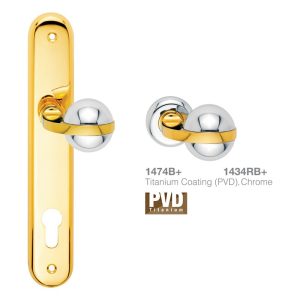
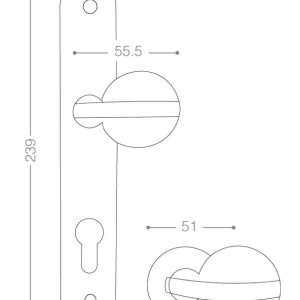
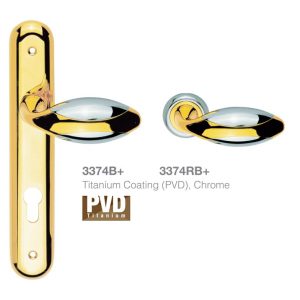
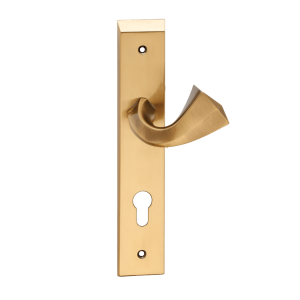
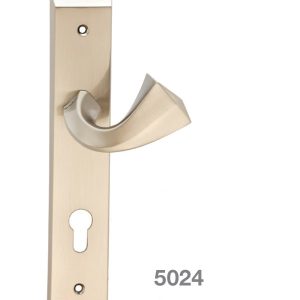
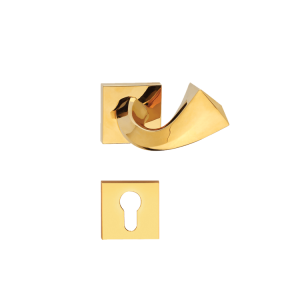
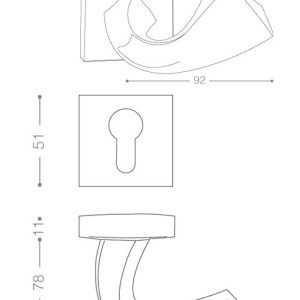
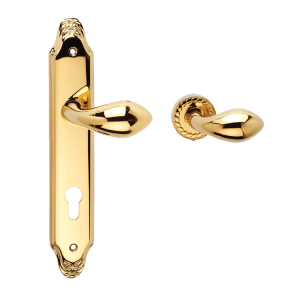
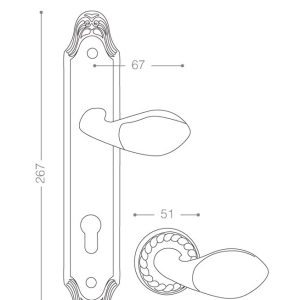
Knob 5054RB
The term Knob may seem simple, but it plays a vital role in design, functionality, and user experience across many industries. From the elegant handle on a luxury cabinet to the precise control on a machine interface, the knob defines interaction, comfort, and style. Understanding the various types of knobs, their materials, functions, and installation processes can help homeowners, designers, and technicians make better decisions. This guide explores everything about knobs — from their mechanical purpose to their design aesthetics — while helping you choose the right one for your needs.

What Is a Knob?
What Is a Knob?
A knob is a rounded or angular control device or handle that allows manual operation of a mechanism such as a door, drawer, or electronic system. In everyday life, knobs appear on doors, furniture, appliances, and even vehicles. They serve both a functional and aesthetic purpose — enabling grip, rotation, and control while adding visual appeal.
Key Features of a Knob
-
Shape: Usually circular or spherical for easy grip
-
Material: Ranges from metal and wood to plastic or glass
-
Mechanism: Fixed or rotating based on the intended use
-
Design purpose: Functional, decorative, or both
Types of Knobs
There are various types of knobs depending on their use, function, and material. Below is a detailed classification.
1. Door Knobs
One of the most common applications, door knobs provide access control and privacy.
They come in multiple styles:
-
Passage knobs: Used on hallway or closet doors without locks
-
Privacy knobs: Feature a locking mechanism, ideal for bedrooms and bathrooms
-
Dummy knobs: Non-turning, decorative options for closet or pantry doors
-
Keyed entry knobs: Secure, lockable knobs for external doors
2. Cabinet and Drawer Knobs
These small but significant components define the look of kitchen and bathroom furniture.
Available in countless designs, they can completely transform the appearance of cabinetry.
Common styles include:
-
Round knobs
-
Square or geometric knobs
-
Crystal and glass knobs for a luxurious look
-
Minimalist stainless steel knobs for modern aesthetics
3. Control Knobs
Control knobs are essential in machinery, electronics, and vehicles.
They regulate temperature, volume, or speed — examples include:
-
Oven knobs for temperature settings
-
Stereo knobs for volume control
-
Industrial knobs for adjusting machine precision
4. Decorative Knobs
Used mainly for interior decoration, these knobs combine art with practicality.
They often feature handmade designs, unique materials, or antique finishes.
5. Specialized Knobs
Certain industries require knobs with specific properties:
-
Medical equipment knobs: Designed for precision and hygiene
-
Instrument knobs: Used in scientific devices for calibration
-
Ergonomic knobs: Designed to reduce strain during frequent use

Materials Used in Knob Manufacturing
Choosing the right knob material affects durability, comfort, and aesthetics.
Here are the most common materials used today:
1. Metal Knobs
Durable and stylish, often made from brass, stainless steel, aluminum, or zinc alloys.
Advantages:
-
Highly durable
-
Scratch and corrosion-resistant
-
Suitable for modern and industrial designs
Disadvantages:
-
Can get cold to touch
-
Heavier than other materials
2. Wooden Knobs
Natural and warm, perfect for rustic or vintage interiors.
Advantages:
-
Eco-friendly and customizable
-
Smooth texture and warm aesthetics
Disadvantages:
-
Sensitive to moisture
-
Requires maintenance like varnishing or oiling
3. Plastic Knobs
Lightweight and cost-effective, ideal for mass production or appliances.
Advantages:
-
Affordable and easy to mold
-
Resistant to rust and corrosion
Disadvantages:
-
Less durable
-
May look less premium
4. Glass and Crystal Knobs
Elegant and decorative options for luxury interiors.
Advantages:
-
Aesthetic appeal
-
Reflects light beautifully
Disadvantages:
-
Fragile
-
Not ideal for high-traffic areas
5. Ceramic Knobs
A balance between durability and design flexibility.
Advantages:
-
Available in artistic patterns
-
Smooth and solid feel
Disadvantages:
-
Can chip or crack under impact

How to Choose the Right Knob
Selecting the right knob depends on several factors including style, material, size, and functionality.
Step 1: Identify the Purpose
Ask yourself:
-
Is it for a door, drawer, or machine?
-
Do you need it for decorative or practical reasons?
Step 2: Match the Aesthetic
Your knob should complement the overall design. For example:
-
For modern interiors, choose matte black or brushed nickel knobs.
-
For classic styles, opt for brass or ceramic designs.
Step 3: Consider the Size and Grip
Ensure the knob is comfortable to use:
-
Too small can be difficult to turn
-
Too large may look disproportionate
Step 4: Material Compatibility
Match the knob’s material with the environment:
-
Metal knobs for kitchens and bathrooms (resistant to moisture)
-
Wooden knobs for dry indoor areas
Step 5: Installation Type
Some knobs require specific installation hardware such as backplates, screws, or locking mechanisms.
Knob vs. Handle: What’s the Difference?
While both serve as control or access tools, there are notable differences.
| Feature | Knob | Handle |
|---|---|---|
| Shape | Usually round | Linear or bar-shaped |
| Operation | Turn or pull | Pull or push |
| Use | Doors, drawers, machines | Drawers, cabinets, appliances |
| Aesthetic | Compact and elegant | Bold and functional |
In short, knobs are best for rotation-based actions or small fixtures, while handles suit pulling mechanisms or larger designs.

Benefits of Using a Knob
1. Ergonomic Design
Knobs are designed for ease of grip and operation, reducing strain on hands and wrists.
2. Space Efficiency
Their compact size makes them ideal for limited spaces like small drawers or appliances.
3. Aesthetic Variety
Available in infinite styles, from minimalist to ornate designs, knobs easily match any décor.
4. Affordable Customization
Replacing knobs can refresh the appearance of furniture or doors without expensive renovations.
5. Durability
High-quality knobs, especially metallic ones, can last for years with minimal maintenance.
Drawbacks of Knobs
While knobs offer numerous advantages, they have some limitations:
-
Less leverage compared to handles, making them harder to use for people with arthritis.
-
Limited space for multiple fingers, especially on smaller models.
-
Surface wear over time, especially for high-contact applications.
However, selecting the right material and design can reduce these issues significantly.
Design Trends in Knobs (2025)
1. Sustainable Materials
Eco-conscious buyers are turning toward bamboo, recycled metal, and reclaimed wood knobs.
2. Matte Finishes
Brushed brass, matte black, and satin nickel finishes dominate modern interiors.
3. Smart Knobs
With the rise of smart homes, digital control knobs with touch or haptic feedback are becoming popular.
4. Vintage Revival
Retro-style knobs inspired by mid-century design are making a comeback in furniture hardware.
How to Maintain and Clean Your Knob
Proper maintenance enhances both the longevity and appearance of your knob.
Cleaning Tips:
-
Metal knobs: Use a mild soap solution and microfiber cloth.
-
Wooden knobs: Clean with dry cloth; avoid moisture.
-
Glass or crystal knobs: Use vinegar-water mix for shine.
Maintenance Practices:
-
Regularly check screws or bolts for tightness.
-
Apply protective wax on brass or bronze knobs.
-
Replace damaged or corroded components promptly.
Installation Guide: How to Install a Knob
Installing a knob is straightforward if you follow these steps:
-
Mark the Position: Measure the placement carefully.
-
Drill the Hole: Use a drill bit that matches the screw size.
-
Insert the Screw: Pass it through the furniture or door.
-
Attach the Knob: Screw it tightly using a screwdriver.
-
Check Alignment: Ensure it’s even and stable.
Pro Tip: Use washers for a more secure and long-lasting fit.
Applications of Knobs in Different Industries
1. Home and Interior Design
Used in cabinets, doors, and drawers to balance style and function.
2. Industrial Equipment
Control knobs allow fine-tuned adjustments in machinery.
3. Automotive
Knobs are used for air-conditioning, audio, and lighting systems.
4. Medical Devices
Precision knobs regulate sensitive equipment functions safely.
5. Aerospace and Navigation
Instruments rely on high-precision knobs to control mechanical settings.
Common Problems with Knobs and How to Fix Them
| Problem | Cause | Solution |
|---|---|---|
| Loose knob | Worn screw | Tighten or replace screw |
| Stiff rotation | Rust or dirt buildup | Clean and lubricate mechanism |
| Misalignment | Improper installation | Re-drill and realign |
| Cracked material | Low-quality knob | Replace with durable one |
Environmental Impact of Knob Materials
Material choice affects sustainability:
-
Metal knobs can be recycled efficiently.
-
Plastic knobs have higher carbon footprints unless made from recycled polymers.
-
Wooden knobs sourced from FSC-certified timber are eco-friendly.
Opting for sustainable manufacturing helps reduce environmental impact.
Expert Tips for Choosing Knobs That Boost Property Value
-
Match hardware finishes (hinges, handles, and knobs) for a cohesive look.
-
Use designer knobs in kitchens or entry doors for a premium impression.
-
Focus on quality — cheap knobs may corrode or loosen quickly.
-
Test ergonomics before buying, ensuring comfort and grip.
Frequently Asked Questions :
1. What is the best material for a knob?
It depends on usage. For durability and aesthetics, brass and stainless steel knobs are excellent. For a warm, natural look, choose wooden knobs.
2. Can I replace knobs myself?
Yes. Most knobs come with screws and instructions for easy DIY installation using a simple screwdriver.
3. How do I clean metal knobs without damaging the finish?
Use mild soap, warm water, and a soft cloth. Avoid harsh chemicals that may dull or corrode the finish.
4. Are all knobs universal in size?
No. Knob dimensions vary by design and manufacturer. Always measure existing holes before replacement.
5. Do knobs affect home aesthetics significantly?
Absolutely. Changing knobs can transform the look of cabinets or furniture instantly, adding elegance or modernity.
A knob may appear to be a small component, but it holds immense significance in both function and form. From securing doors to enhancing furniture aesthetics, the right knob choice can improve usability, comfort, and visual harmony. Whether you’re designing a modern kitchen, updating industrial machinery, or crafting ergonomic tools, understanding knob types, materials, and installation methods ensures smarter decisions.
For those planning to upgrade or renovate, investing in high-quality knobs isn’t just about looks — it’s about long-term performance, safety, and satisfaction. Choose wisely, maintain regularly, and your knobs will continue to serve beautifully for years.