
Description

This post is also available in: العربية (Arabic)

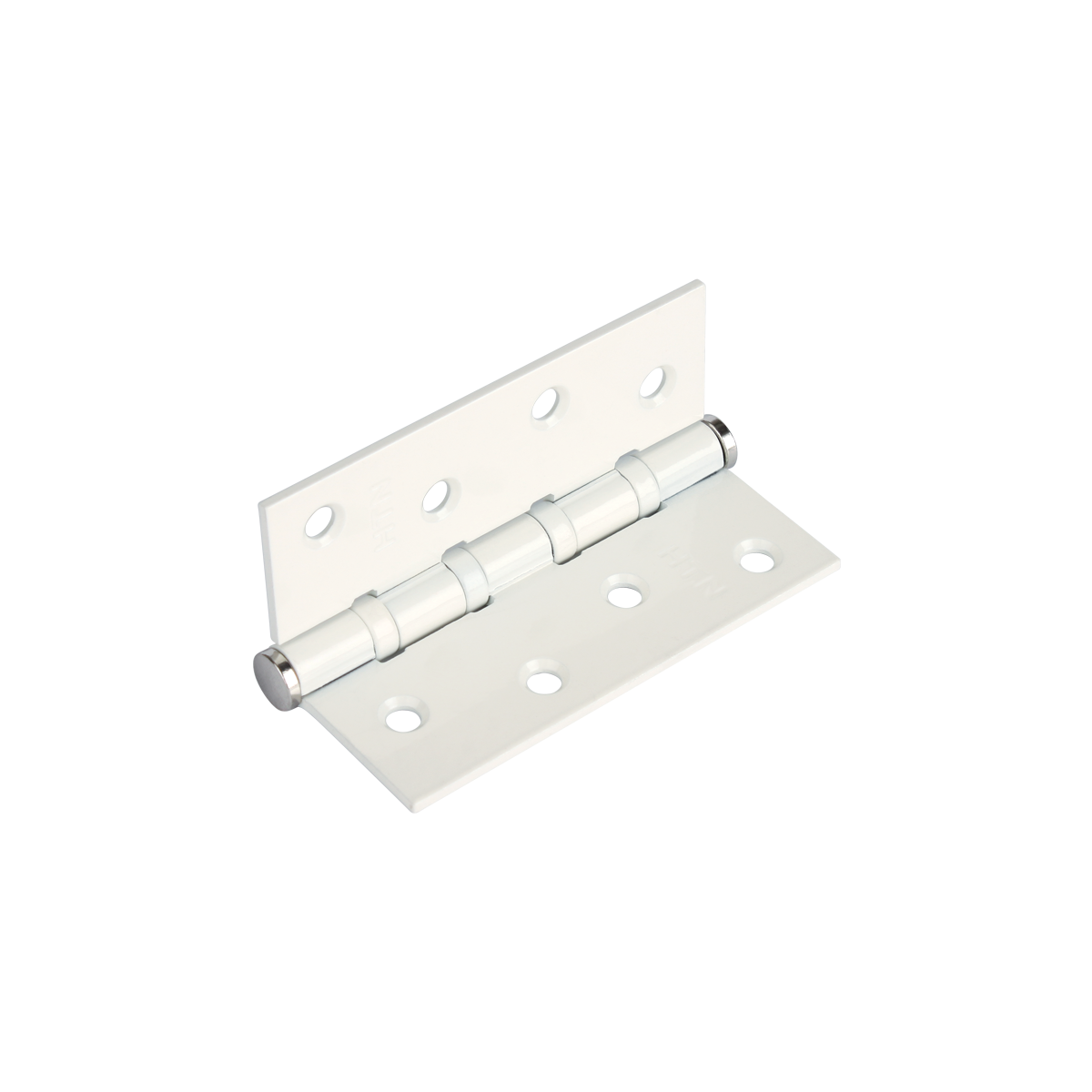
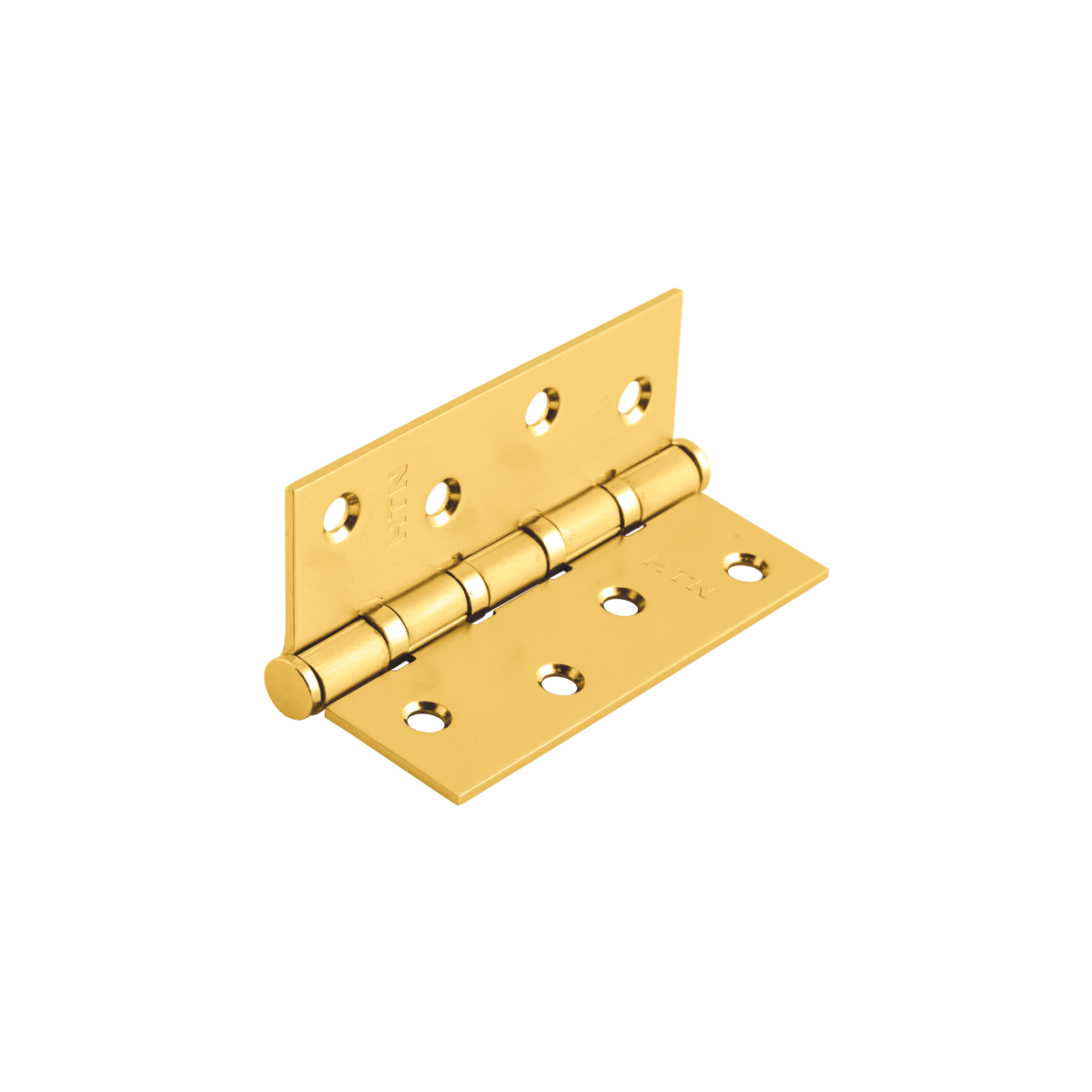
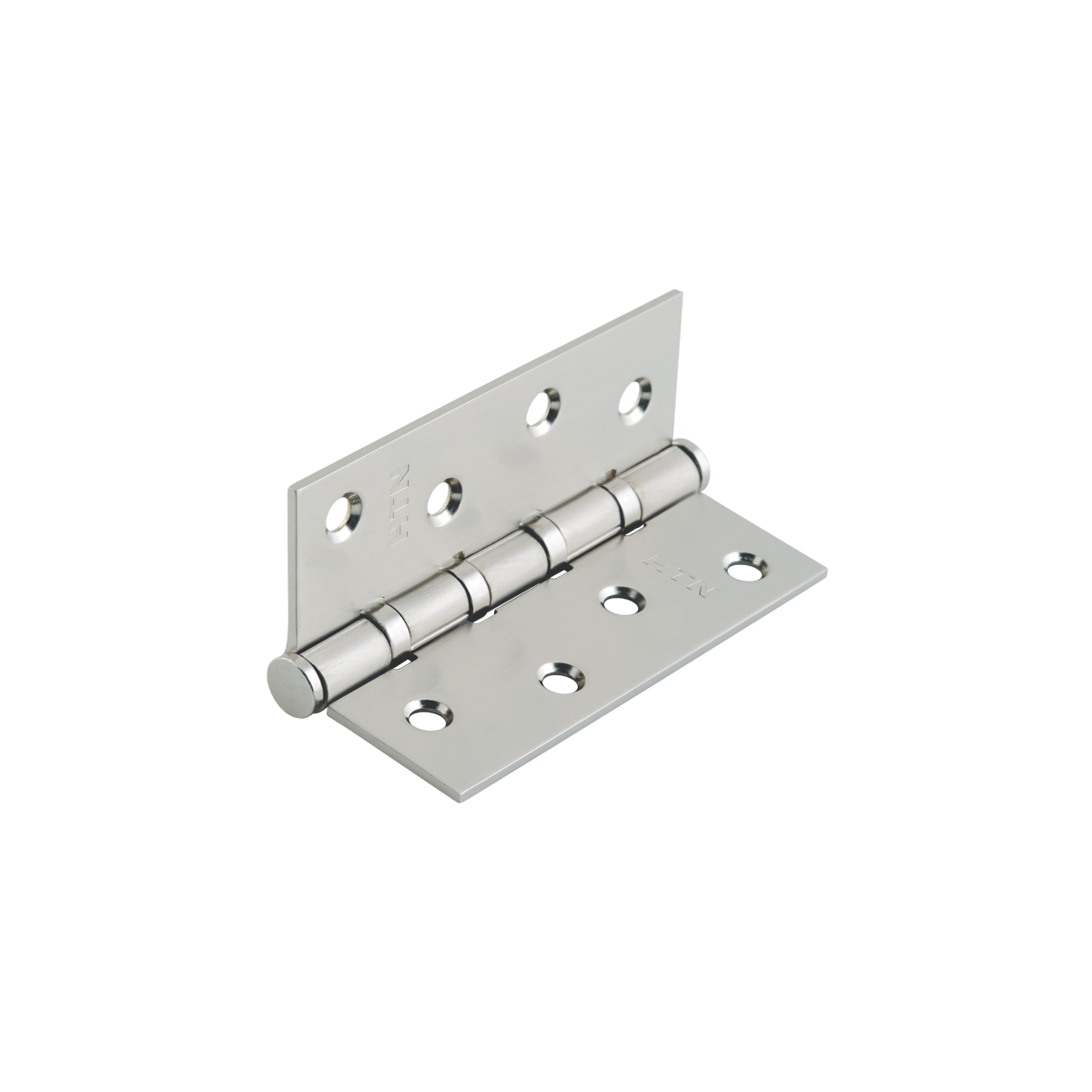
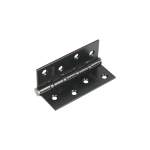
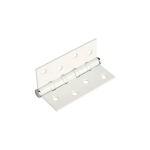
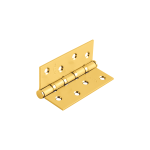
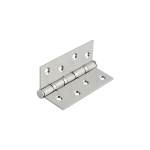
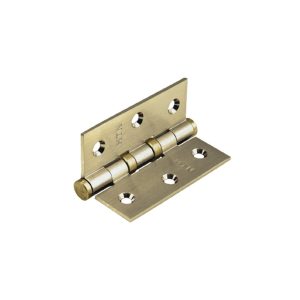
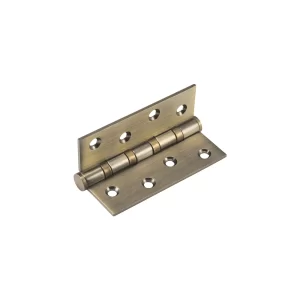
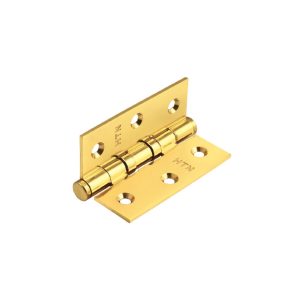
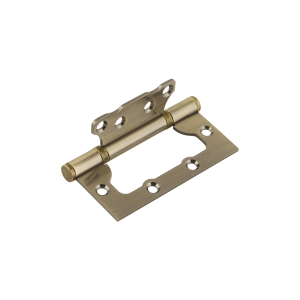
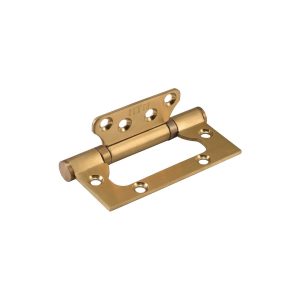
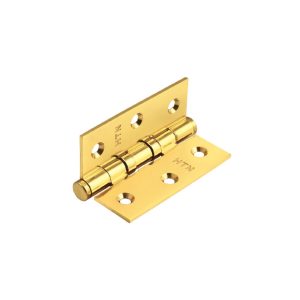
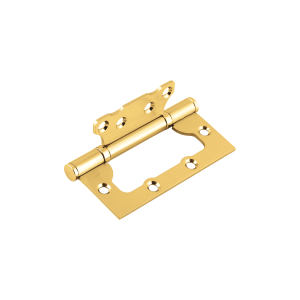
Door hinges are one of the most important fittings used in home entrance doors and interior doors. Choosing the right hinge adjusting the door distance from the sides, frame and hinges, increases the lifetime and beauty of the door. The flat hinge consists of 2 wings that are attach together by a pin (as a press or detachable pin). This hinge is used in flat doors without bending, such as interior doors and entrance doors. Also, flat hinges are available in 2 types of crown heads and flatheads. All our hinges have at least three ball bearings that cause the door to move easy and without friction. This hinge is available in olive, silver,black,white and gold plating by Iron material that you can choose the color of your hinge according to your door color. Also, all hinges of Our company have 7years unconditional guarantee ,So that dear customer can be sure from the durability, strength and quality of HTN.Prime hinges.
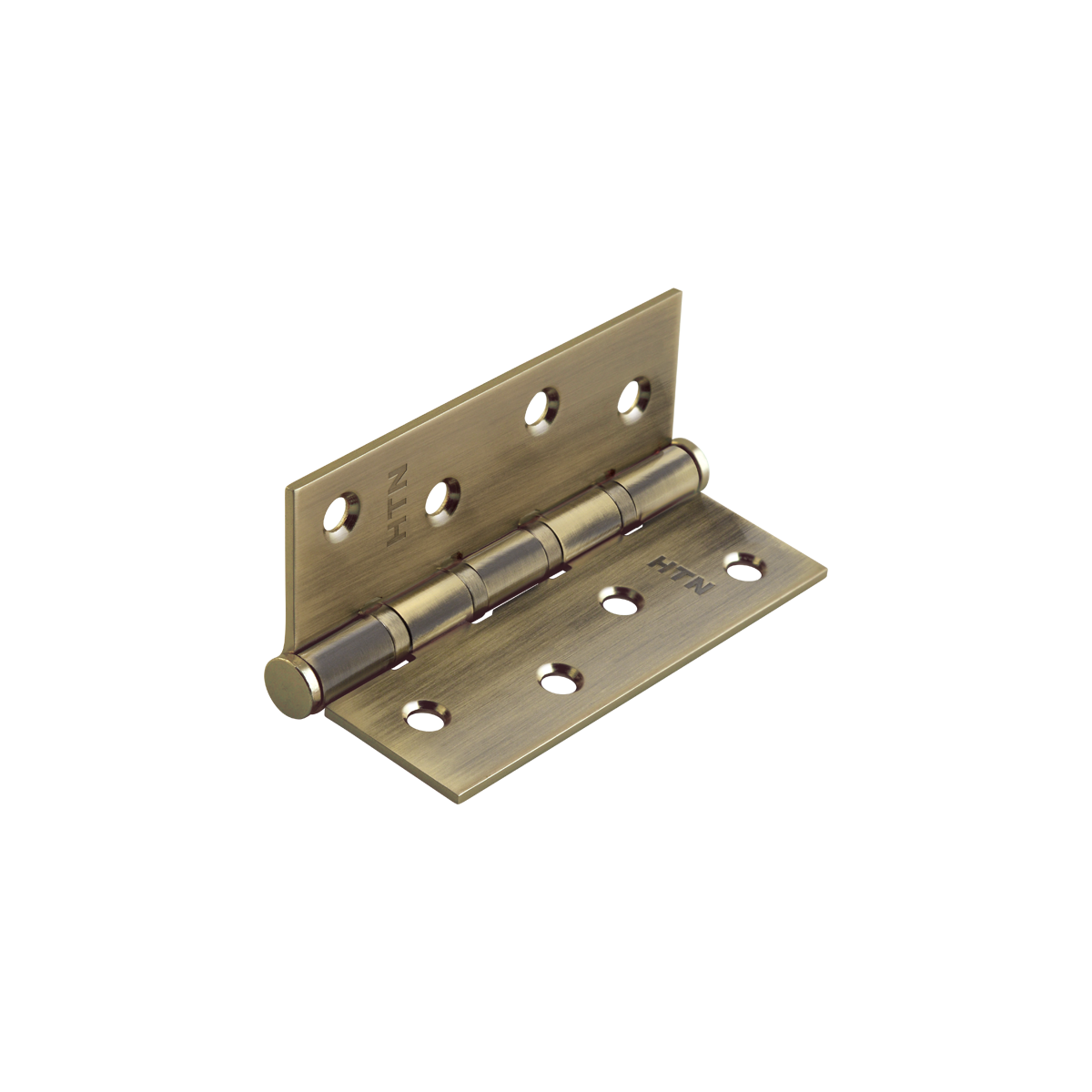
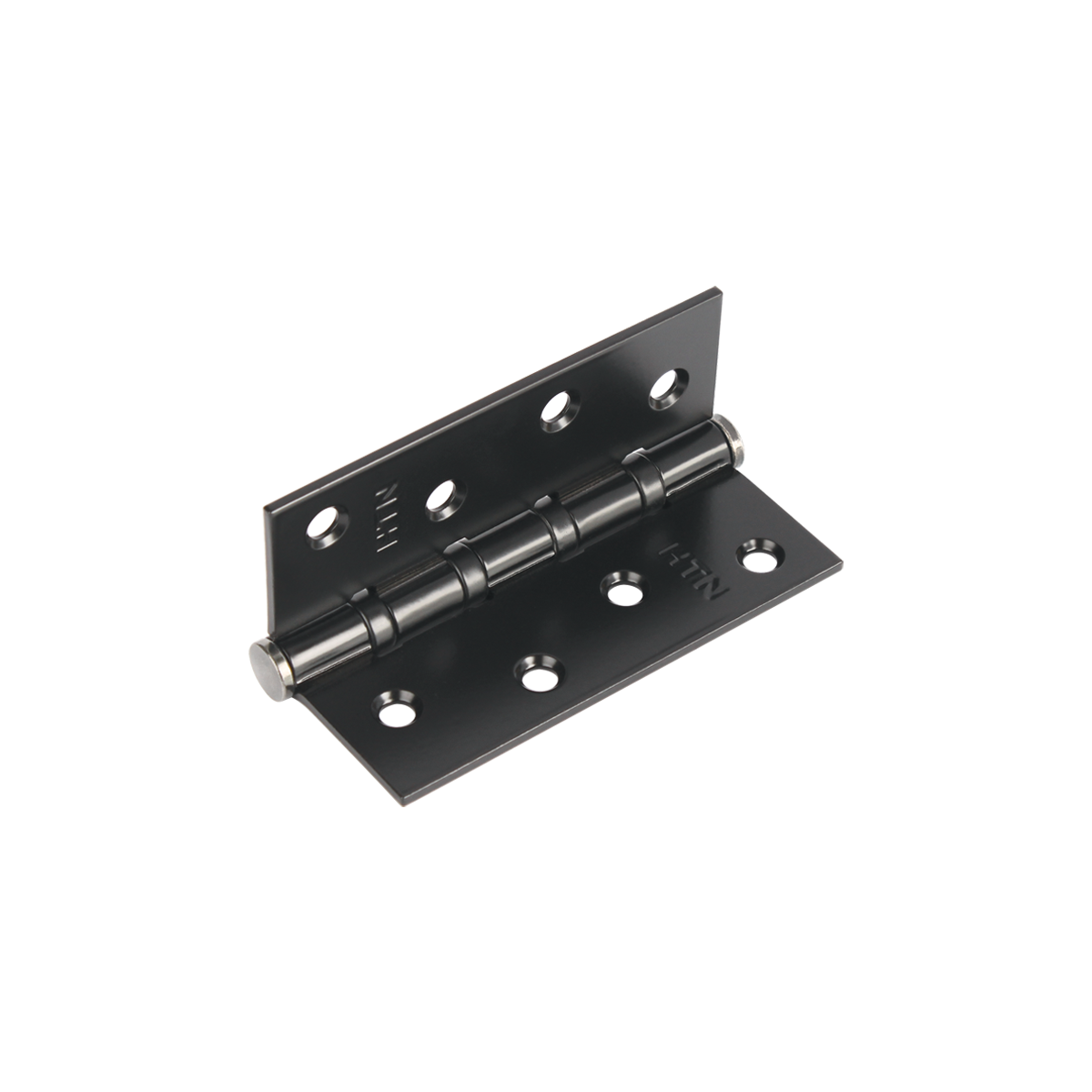
A Flat Iron Door Hinge is one of the strongest and most traditional hinge types used in heavy-duty metal doors, gates, and industrial structures.
Made from solid forged or sheet iron, these hinges are valued for their durability, strength, and vintage look.

They are commonly seen in barn doors, wrought-iron gates, security doors, and rustic architectural designs, where both mechanical reliability and aesthetic character are essential.

What Is a Flat Iron Hinge?

The term Flat Iron Hinge refers to a hinge design made from flat strips of iron that overlap the surface of the door and frame.
Unlike concealed hinges, this type is fully visible and often acts as a decorative element, giving the door a classic, old-world appearance.

Key characteristics include:

  • Flat, elongated mounting plates (“straps”)

  • Exposed pin and knuckle design

  • Heavy-gauge iron construction

  • Powder-coated, painted, or rustic black finish

Why Choose Flat Iron Door Hinges?

Iron hinges are not just functional; they represent strength, craftsmanship, and durability.
Here’s why many builders and designers still prefer them today:

  1. Exceptional Strength:
    Ideal for heavy wooden or metal doors.

  2. Rustic Appeal:
    Adds vintage charm to gates, barns, and industrial-style interiors.

  3. Long Life:
    When properly coated, iron hinges can last decades without failure.

  4. Customizable Finish:
    Can be painted, forged, or powder-coated to match door hardware.

  5. Repairable and Recyclable:
    Iron can easily be welded or refinished for extended use.

Common Types of Flat Iron Door Hinges

1. Strap Hinges

The most recognizable type — long, flat arms that extend across the door surface.
Perfect for barn doors, gates, and decorative entrances.

Features:

  • Classic “T” or “L” shapes

  • Often forged by hand

  • Can support large door weights

  • Available in matte black or antique iron finish

2. Butt-Type Flat Iron Hinges

A combination of traditional butt hinge design and flat-iron construction.
Used in metal security doors, industrial cabinets, and fire-rated enclosures.

Advantages:

  • Compact yet strong

  • Can be welded directly to the door frame

  • Smooth motion with solid pin joint

3. H-Type Hinges

Designed in the shape of the letter “H”.
Both sides (door and frame) have equal plates, making them symmetrical and strong.

Applications:

  • Heavy steel gates

  • Reinforced metal entry doors

  • Industrial machine enclosures

4. Surface-Mounted Iron Hinges

These attach directly to the door surface — no recessing required.
A good choice for retrofits and renovations when you don’t want to cut into the material.

5. Decorative Wrought-Iron Hinges

Hand-forged hinges featuring ornate ends, curls, and patterns.
They serve both a structural and decorative function in old-style villas, churches, and historical restorations.

Materials and Construction Quality

Flat iron door hinges are typically made from one of the following:

Material Description Durability
Forged Iron Heated and shaped manually or mechanically Excellent
Cast Iron Molded molten iron, heavier and more brittle Good
Mild Steel (Iron Alloy) Used for modern powder-coated hinges Very Good

Note: To prevent rust, all flat iron hinges are usually galvanized, painted, or powder-coated.

Standard Sizes and Dimensions

Size (Length × Width) Door Type Weight Capacity
4″ × 1″ Light metal doors Up to 20 kg
6″ × 1.5″ Standard steel doors Up to 40 kg
8″ × 2″ Medium gates Up to 60 kg
10″ × 2.5″ Large doors Up to 80 kg
12″ × 3″ Heavy industrial gates 100 kg or more

Finishes and Coatings

Depending on the style and environment, flat iron door hinges come in various finishes:

  • Black Powder-Coated: Modern and corrosion-resistant

  • Antique Iron: Aged patina look for vintage doors

  • Galvanized Iron: Zinc coating for outdoor durability

  • Oil-Rubbed Bronze: Elegant, dark brown sheen

  • Painted or Custom Colors: Match your frame or handle design

Applications of Flat Iron Door Hinges

1. Residential Use

Used in entrance gates, garage doors, and decorative main doors.

2. Industrial Use

For warehouse shutters, machine enclosures, and steel doors requiring extra strength.

3. Agricultural Use

Common in barn doors, stables, and heavy storage sheds.

4. Architectural and Heritage Buildings

Adds authenticity to restoration projects with a traditional wrought-iron look.

Advantages of Flat Iron Hinges

  1. Unmatched Durability — Handles extreme weight and temperature.

  2. Rustic Aesthetic — Ideal for farmhouses and vintage-style interiors.

  3. Affordable Maintenance — Easy to clean and repaint.

  4. Weldable Construction — Can be repaired or reinforced easily.

  5. Eco-Friendly Material — 100% recyclable and reusable.

Installation Guide for Flat Iron Door Hinges

  1. Mark the Mounting Points:
    Use a measuring tape to ensure equal spacing between top, middle, and bottom hinges.

  2. Pre-Drill Holes:
    Prevents metal distortion or cracking during screw installation.

  3. Align the Hinge Knuckle:
    Make sure the hinge axis aligns perfectly for smooth motion.

  4. Tighten Screws Evenly:
    Avoid overtightening to prevent bending the hinge leaf.

  5. Lubricate the Pin:
    Use grease or oil to ensure smooth rotation and prevent squeaking.

Maintenance and Care

Flat iron hinges, though strong, require periodic maintenance to prevent rust and stiffness.

Recommended care routine:

  • Clean dirt and moisture weekly.

  • Apply anti-rust spray or WD-40 every few months.

  • Repaint if scratches expose the bare metal.

  • Replace hinge pins if movement becomes noisy.

Flat Iron Door Hinge vs. Stainless-Steel Hinge

Feature Flat Iron Hinge Stainless Steel Hinge
Material Strength Very High High
Corrosion Resistance Moderate (requires coating) Excellent
Appearance Rustic / Industrial Modern / Sleek
Cost Lower Higher
Maintenance Periodic painting Minimal

Conclusion:
If your project prioritizes aesthetic appeal and raw strength, flat iron hinges are ideal.
If corrosion resistance is critical (like in marine areas), stainless steel is better.

Price Range (Global Estimate)

Region Price per Pair
India $2 – $5
China $1.5 – $4
Europe $5 – $10
USA $6 – $12
Middle East $4 – $8

Bulk buyers can receive discounts up to 25–30% depending on quantity and customization.

Top Manufacturers and Brands

  • Hettich (Germany)

  • Hafele (Germany)

  • DormaKaba (Europe)

  • Godrej (India)

  • Sugatsune (Japan)

  • Local blacksmith forges (Custom handmade models)

Each brand offers unique finishes, load capacities, and installation systems.

Environmental Sustainability

Flat iron hinges are made from fully recyclable materials, making them a sustainable choice.
Even after decades of use, they can be melted down, reforged, and reused, reducing industrial waste.

Common Issues and Quick Fixes

Problem Cause Solution
Squeaky sound Dry hinge pin Apply grease or oil
Rust spots Exposure to moisture Sand and repaint
Loose screws Repeated use Replace with larger or welded screws
Uneven motion Misalignment Reposition the hinge accurately

Design Tips for Using Flat Iron Hinges

  1. Pair black flat iron hinges with wooden barn doors for a rustic farmhouse feel.

  2. Use symmetrical H-style hinges on large gates for balanced aesthetics.

  3. Combine antique iron hinges with brass handles for a classic contrast.

  4. Highlight the hinge with directional lighting to emphasize craftsmanship.

A Flat Iron Door Hinge is not just a mechanical joint — it’s a statement of craftsmanship and durability.
Its bold industrial appearance, combined with its unmatched strength, makes it the ideal choice for gates, doors, and architectural projects that demand both function and style.

Whether you’re a builder, architect, or hardware dealer, investing in high-quality flat iron hinges ensures reliability, aesthetics, and long-term value for your projects.


FAQs About Flat Iron Door Hinges

1. What is the lifespan of a flat iron hinge?

With proper coating and maintenance, it can last 15–20 years or more.

2. Do iron hinges rust?

Yes, but rusting can be prevented through painting or galvanizing.

3. Can I use flat iron hinges outdoors?

Yes — provided they’re powder-coated or galvanized to resist weathering.

4. Are flat iron hinges suitable for heavy doors?

Absolutely. They’re designed for high load-bearing capacity.

5. Can I weld flat iron hinges?

Yes. Welding is common in industrial applications for added security.

Additional information
Material

iron

Finishing

Black , Coffee , Golden , White , silver

Sizes

4 inch

Reviews (0)

Reviews

There are no reviews yet.

Be the first to review “Flat Iron door hinge”

Your email address will not be published. Required fields are marked *

Shipping & Delivery