
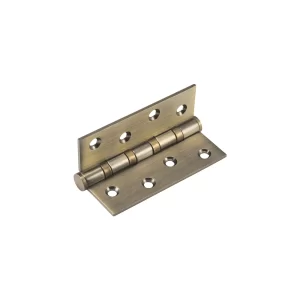
Iron bended hinge

The Iron Bended Hinge is a strong, durable, and cost-effective hinge made from solid iron sheets, designed for heavy doors, gates, and industrial applications. Its bent structure provides extra strength, smooth movement, and long-lasting performance, making it ideal for both residential and industrial use.

Category:
Description

This post is also available in: العربية (Arabic)

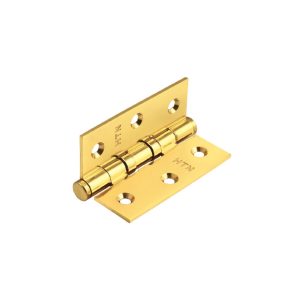
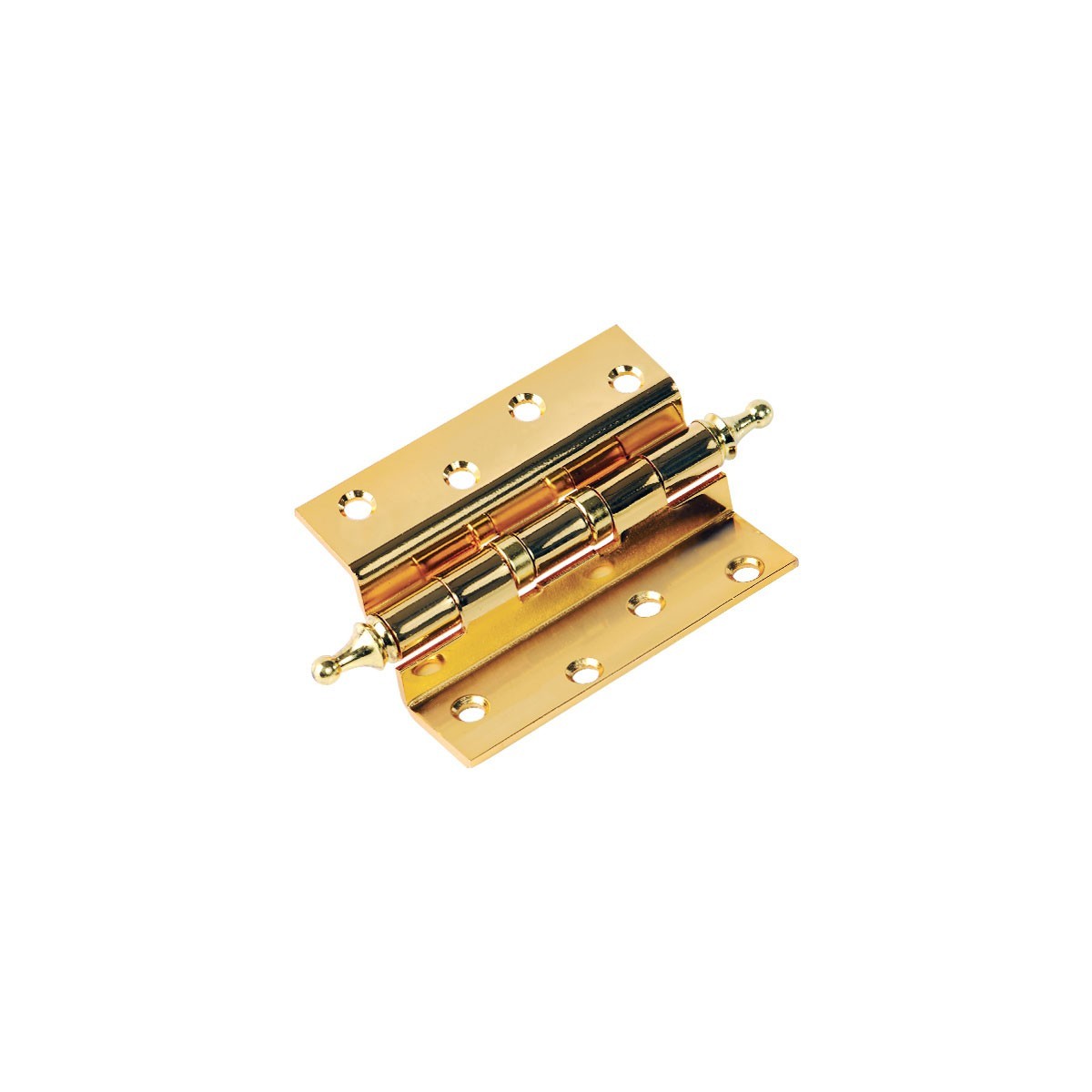
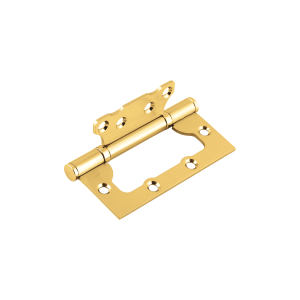
Door hinges are one of the most important fittings used in home entrance doors and interior doors.Choosing the right hinge adjusting the door distance from the sides, frame and hinges, increases the lifetime and beauty of the door.It is just like a flat hinge, which consists of two wings attach together by a movable pin. Curvature in both wings of this hinge is one of its main features. This hinge is used in bended doors (because the inside’s thickness of the door is greater than the outside). 4-inch bended hinges are usually used on interior doors and entrance doors of apartments

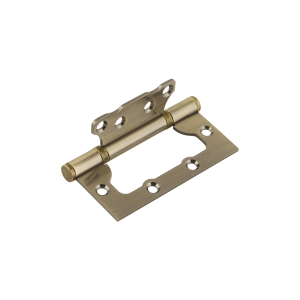
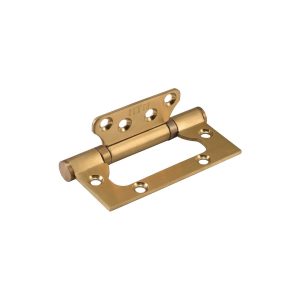
This  hinge is available in olive, silver,black,white and gold plating and you can choose the color of your hinge according to your door color.

Also, all hinges of Our company have 7years unconditional guarantee,So that dear customer can be sure from the durability, strength and quality of HTN.Prime hinges

You can be in touch with our sales consultants to choose the right hinge for your structure and make the best choice.
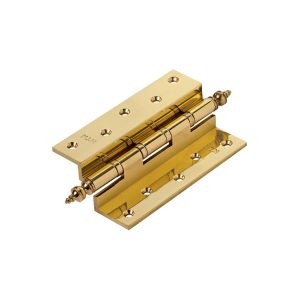
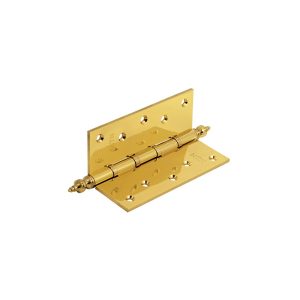
The Iron Bended Hinge is one of the most dependable and widely used types of hinges in the construction and industrial sectors. Known for its strength, durability, and structural stability, it’s a perfect choice for heavy metal doors, gates, cabinets, and machinery enclosures. Its unique bent design allows enhanced load distribution and smoother operation, making it ideal for both residential and industrial use.

In this article, we’ll explore everything about Iron Bended Hinges — from their structure and benefits to installation, maintenance, and types available on the market.

What Is an Iron Bended Hinge?

An Iron Bended Hinge is a metal hinge made by bending thick sheets of iron into a strong joint that connects two parts — typically a door and a frame — allowing rotation while supporting substantial weight.

Unlike standard flat hinges, the bended hinge features a curved or folded shape that increases structural integrity and reduces strain on the screw joints.

Common Applications:

  • Heavy steel or iron doors

  • Industrial machinery and access panels

  • Storage containers and gates

  • Electrical cabinets and control boxes

  • Large furniture and security enclosures

Structure and Design of Iron Bended Hinges

The Iron Bended Hinge is engineered to provide both flexibility and strength. It typically consists of:

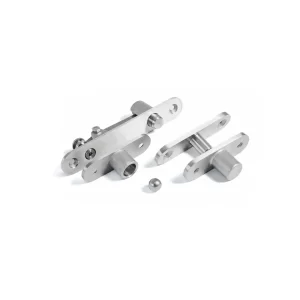
  1. Two bent plates (leaves): One mounted on the frame, the other on the door.

  2. Central pin (pivot): Acts as the axis of movement.

  3. Barrel section: The rolled portion where the pin is inserted.

  4. Mounting holes: For screws, bolts, or welding.

This bent design increases the contact area and enhances torque resistance, ensuring smoother motion even under heavy loads.

Advantages of Using Iron Bended Hinges

1. Exceptional Strength

Made from solid iron sheets, these hinges can support high loads and withstand daily wear — ideal for industrial and commercial doors.

2. Long Lifespan

With proper coating and maintenance, an Iron Bended Hinge can last for years without bending, cracking, or loosening.

3. Simple Installation

Can be installed easily with screws or by welding, depending on the type of surface and door.

4. Versatility

Suitable for wood, steel, aluminum, and composite doors.

5. Cost-Effective Durability

Compared to stainless steel or specialized hinges, iron bended hinges offer excellent strength at a reasonable cost.

Types of Iron Bended Hinges

1. Standard Bended Hinge

Basic iron hinge for regular use — suitable for doors, gates, and cabinets.

2. Welded Bended Hinge

Welded directly to metal structures, ideal for heavy-duty or outdoor applications.

3. Galvanized Iron Bended Hinge

Coated with zinc for corrosion protection, recommended for humid or outdoor environments.

4. Decorative Bended Hinge

Used for ornamental gates or vintage furniture; combines strength with aesthetic design.

5. Heavy-Duty Industrial Hinge

Engineered with thick iron plates and large pins for extreme loads such as machinery or container doors.

Comparison Between Iron Bended Hinges and Flat Hinges

Feature Iron Bended Hinge Flat Iron Hinge Stainless Steel Hinge
Strength Very high Moderate High
Corrosion Resistance Moderate (needs coating) Low Excellent
Installation Screw or weld Screw only Screw
Price Affordable Cheap Expensive
Application Heavy doors, gates Light doors Premium doors

Installation Process

Installing an Iron Bended Hinge correctly ensures durability and smooth operation.

Step-by-Step Guide:

  1. Mark hinge positions on both the frame and door.

  2. Drill holes or prepare weld points.

  3. Align both leaves of the hinge precisely.

  4. Secure with screws or welding.

  5. Check door movement to ensure free rotation and alignment.

Pro Tip: Always use hardened steel screws or welds compatible with iron to prevent loosening over time.

Surface Finishes and Coatings

To improve longevity and corrosion resistance, iron bended hinges are treated with various finishes:

  • Galvanized zinc coating – protects against rust and oxidation.

  • Powder coating – adds color and surface durability.

  • Electroplating – enhances appearance and corrosion resistance.

  • Oil coating – a traditional method to prevent rust during transport and storage.

Maintenance Tips for Iron Bended Hinges

  • Lubricate regularly: Apply light oil or grease on the pin to prevent squeaking.

  • Clean dirt or debris: Wipe with a cloth and mild cleaner.

  • Inspect screws: Tighten if loose due to frequent vibration.

  • Check for rust: If any appears, remove with a wire brush and repaint or recoat.

  • Avoid overloading: Use the hinge within its rated load capacity.

Disadvantages of Iron Bended Hinges

Despite their durability, they do have some limitations:

  • Susceptible to rust without proper coating.

  • Heavier than aluminum or brass hinges.

  • Require periodic maintenance.

However, these drawbacks are minimal compared to the long-term benefits, especially in heavy-duty applications.

Why Choose an Iron Bended Hinge?

Choosing an Iron Bended Hinge is a practical decision for anyone looking for:

  • High structural strength

  • Reliable, long-term performance

  • Affordable cost per unit

  • Ease of installation and replacement

These hinges are the backbone of industrial and architectural durability, making them a must-have for demanding environments.

The Iron Bended Hinge represents the perfect balance between strength, functionality, and affordability. Its simple yet powerful design makes it indispensable in the world of industrial and architectural hardware.

Whether for heavy steel gates, machine covers, or reinforced doors, this hinge ensures stable performance and long-lasting reliability. By choosing high-quality coated iron hinges and maintaining them properly, you can ensure years of flawless operation.


Frequently Asked Questions

1. What’s the main use of an Iron Bended Hinge?

It’s primarily used for heavy metal doors, gates, containers, and machinery enclosures.

2. Is it rust-proof?

Not by default. However, galvanized or powder-coated models are resistant to corrosion.

3. Can it be welded directly to a metal door?

Yes. Welded installation is common for industrial or outdoor applications.

4. How do I choose the right size?

Measure door thickness, weight, and frame clearance — select a hinge that can handle 1.5× the door’s actual load.

Additional information
Material

iron

Finishing

Black , Coffee , Golden , White , silver

Sizes

4Inch (10cm) , 3.5 Inch

Reviews (0)

Reviews

There are no reviews yet.

Be the first to review “Iron bended hinge”

Your email address will not be published. Required fields are marked *

Shipping & Delivery